Dark Souls2011 · 2010s
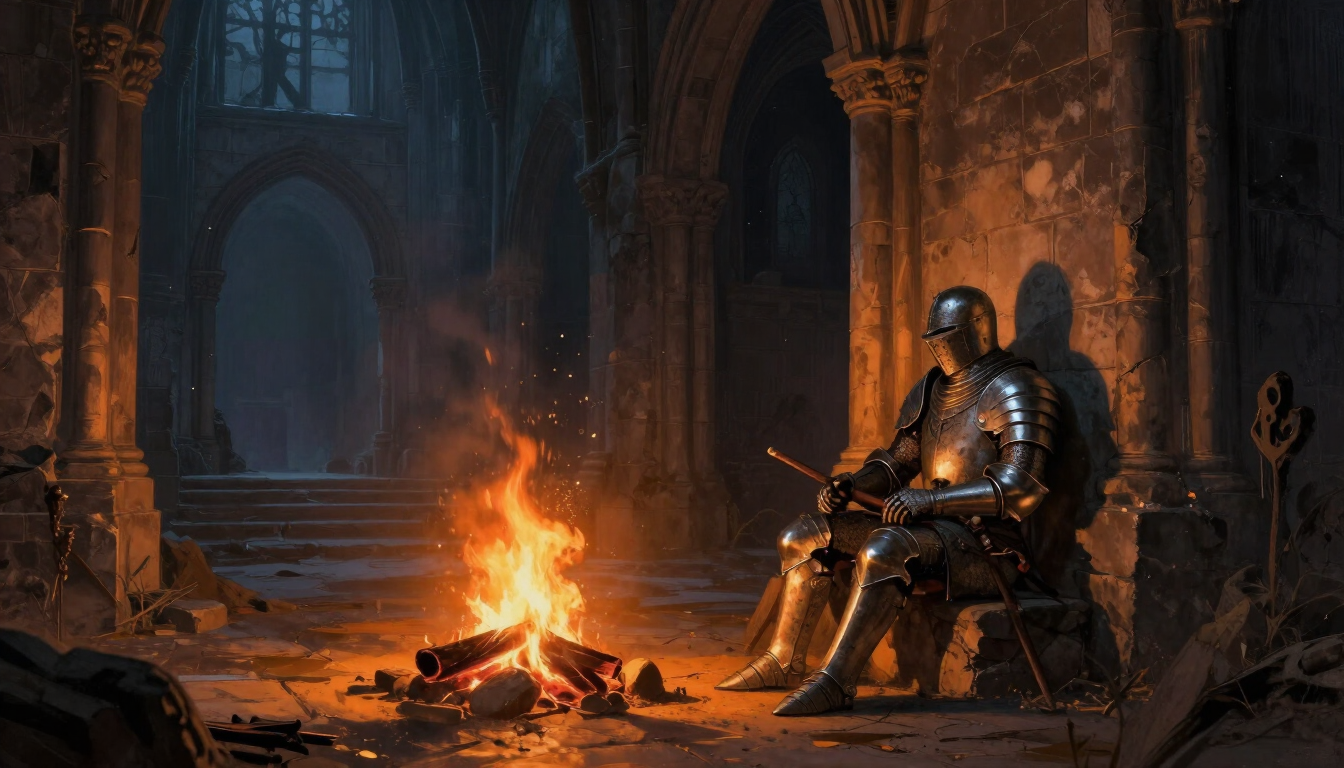
The Bonfire in the Dark: Where Death Became a Teacher
FromSoftware's punishing masterpiece lit a bonfire in the dark and taught a generation that failure, too, can be a kind of warmth.
You awaken in a damp, dim cell, a dying man tosses you a key, and somewhere far above you a bell is waiting to be rung. Dark Souls does not explain itself. It hands you a broken sword, points you toward a staircase, and leaves you to learn the rest the hard way — which is to say, by dying, and by choosing to stand up again.
Hidetaka Miyazaki's design philosophy was almost rude in its trust. There are no quest markers, no tutorials that hold your hand, only a world that folds back on itself like a labyrinth you slowly memorize. Lordran is a single, continuous vertical space; the lift you ride down in the depths becomes, hours later, the shortcut that drops you back at the shrine where you first rested. The map is not given. It is earned, screen by screen, until you carry it inside your head like a childhood neighborhood.
And at the heart of it all is the bonfire — a small, warm spear of light in the cold. Rest, and the world resets; rest, and you are healed and hollowed at once. Players speak of bonfires the way travelers speak of inns: a named place of safety, a checkpoint against the dark. The act of kindling one feels almost devotional, a quiet pact between you and the flame.
What made Dark Souls a movement was its reframing of failure. Death was never a punishment here; it was the curriculum. Each lost soul was a lesson in timing, in patience, in reading a corridor before you entered it. The community that grew around the game — its messages scrawled on the floor, its summoned phantoms arriving at the worst possible moment — turned a lonely pilgrimage into something strangely communal.
More than a decade later, the genre it named is everywhere: Sekiro, Elden Ring, Bloodborne, and a hundred heirs that learned to respect their players. But return to Lordran on a quiet night and what stays is not the difficulty. It is the bonfire's glow, the soft chime as you rest, the feeling of having climbed out of the dark by your own stubborn light. Prepare to die, the box said. What it meant was: prepare to keep going.
More from the 2010s
 2010s
2010sMinecraft · 2011
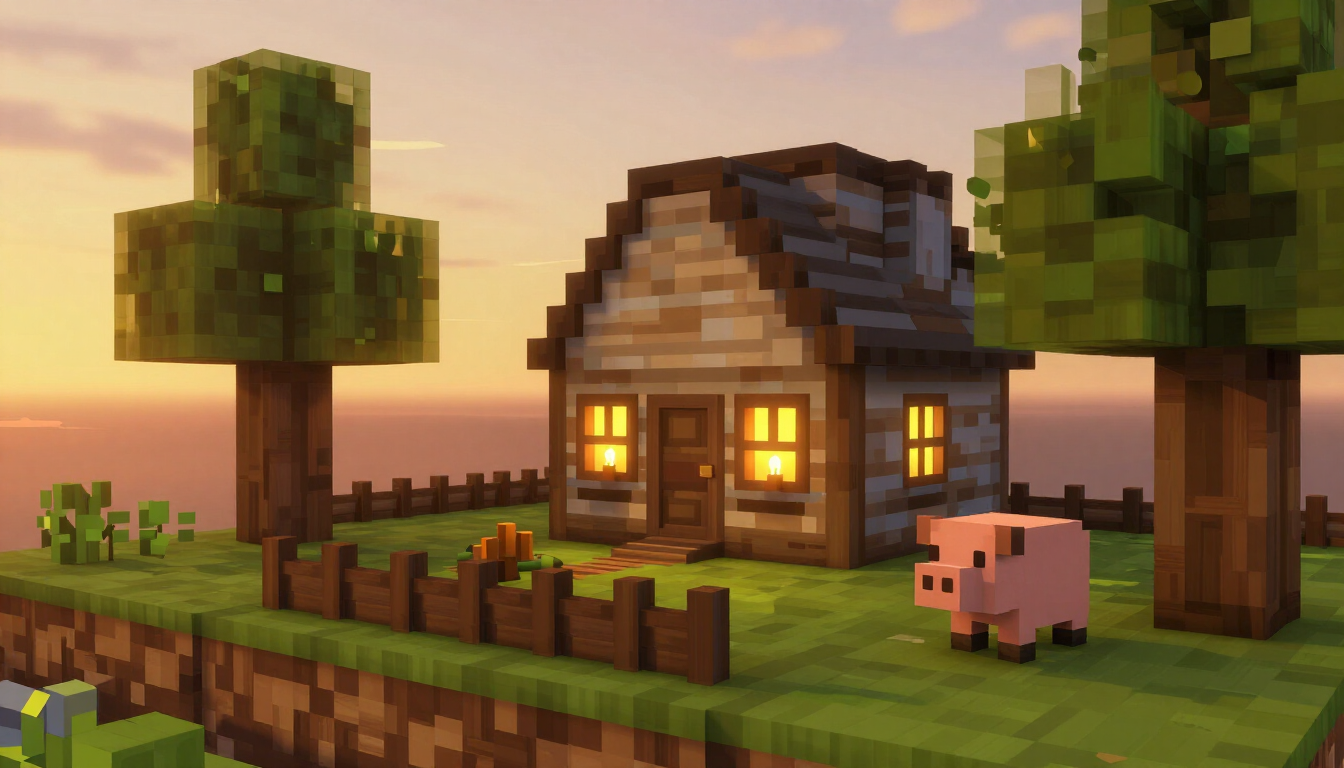
The First Night: Punching Trees by Torchlight
The best-selling game of all time is a lesson in coziness: build a shelter before dark, and the world is yours.
 2010s
2010sThe Elder Scrolls V: Skyrim · 2011
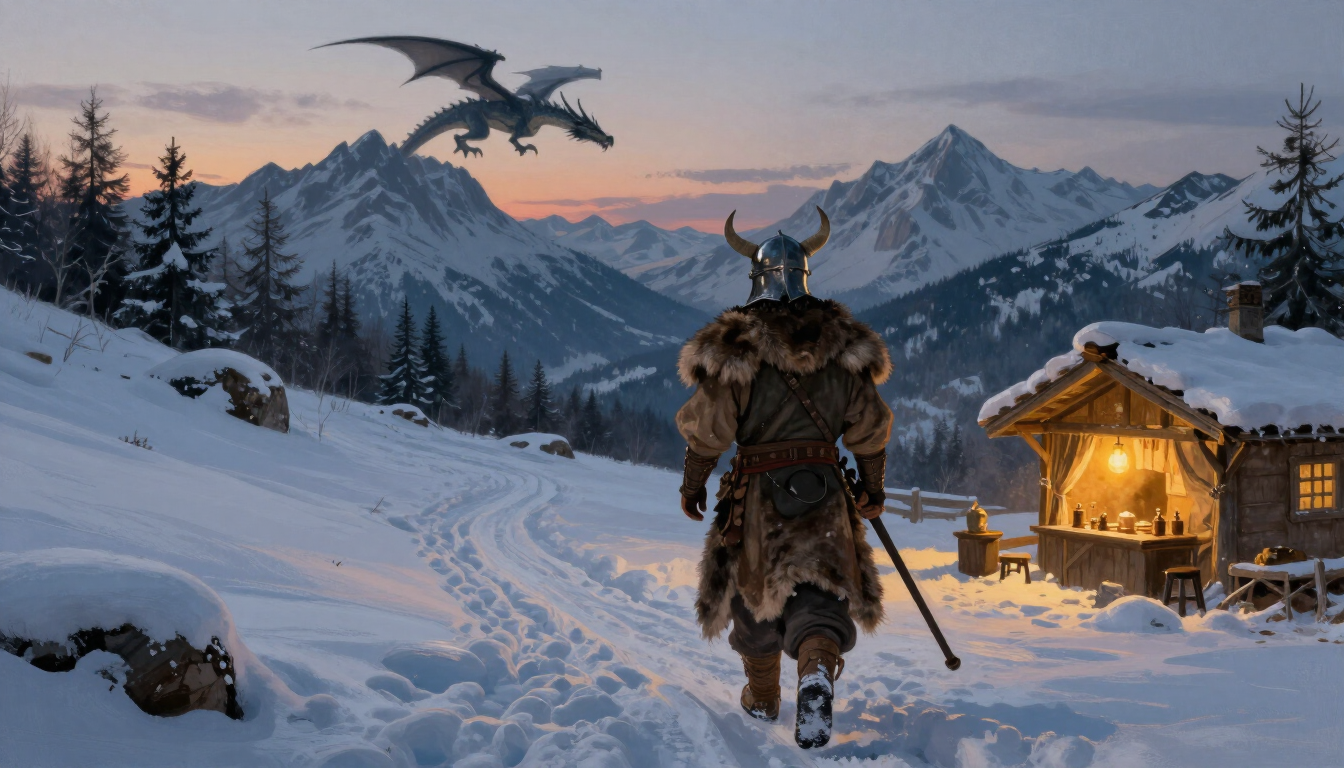
The Dragon, the Mountain, and the Tavern at the Bottom
See that mountain? You can climb it. Fourteen years later, we still are.
 2010s
2010sGrand Theft Auto V · 2013
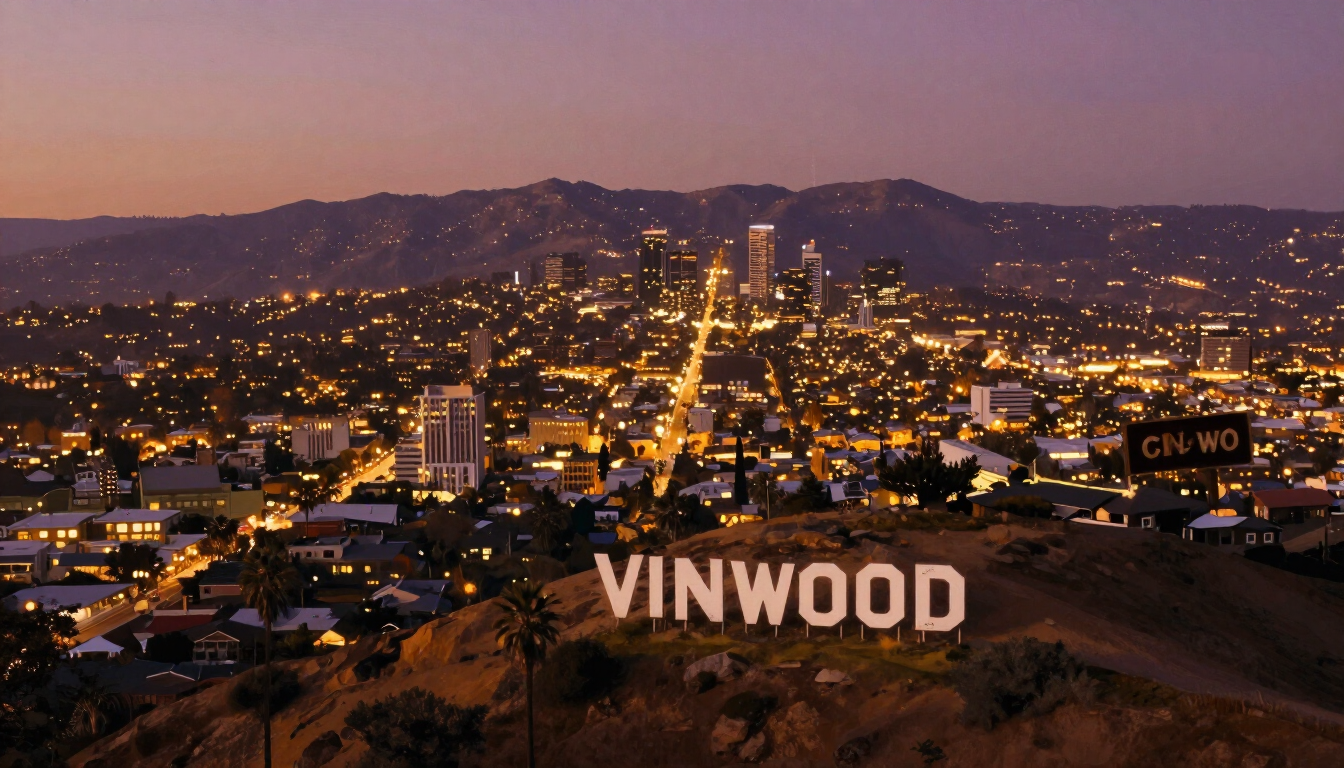
Three Lives, One City: The Heist That Ate the Decade
Rockstar's three-protagonist opus became one of the best-selling entertainment works ever made — and a city we never quite left.