Ten of the greatest series in gaming — each one a long conversation between a creator and its players, reinventing itself across decades. Pick a series to read its story, walk its full release timeline, and trace how it changed.
A princess, a kingdom, and forty years of reinvention.
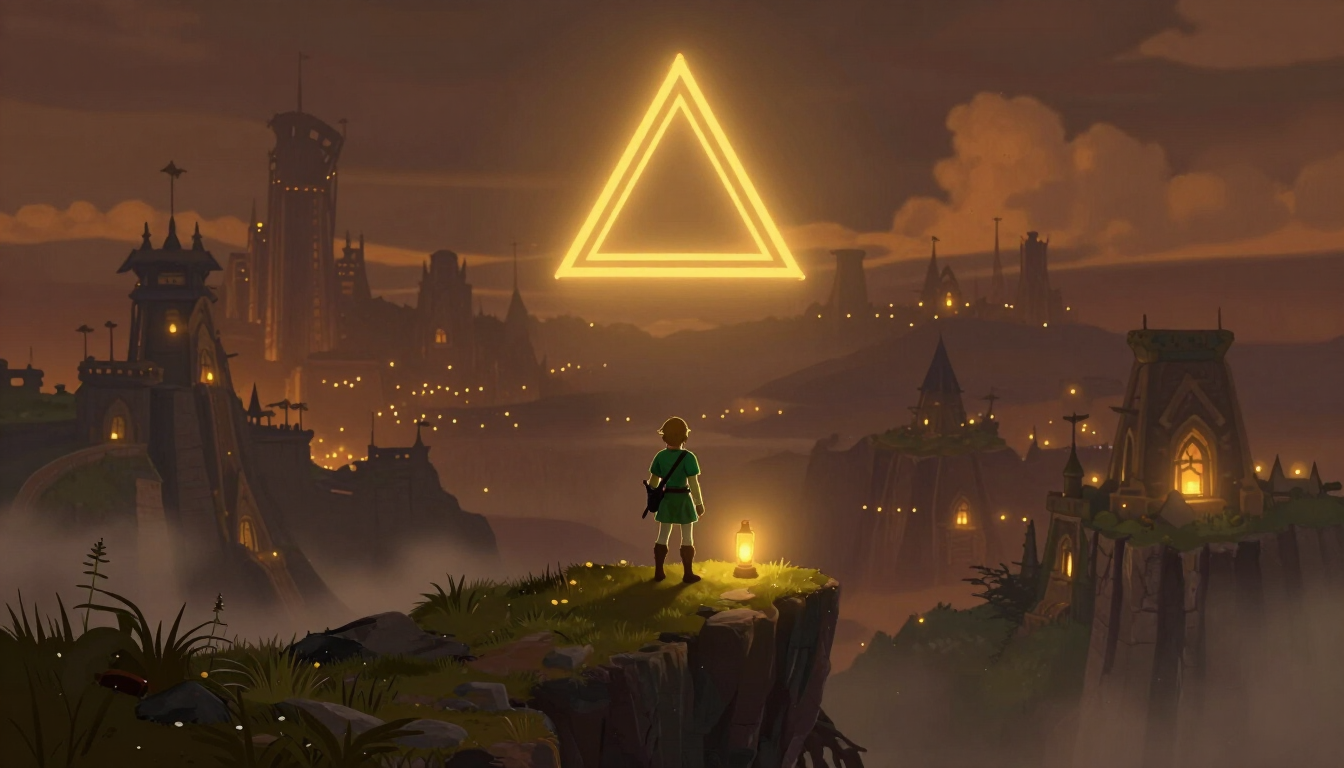
Born in 1986 from a boyhood exploration of the hills above Kyoto, The Legend of Zelda turned the action game into a map of curiosity. An old man hands you a sword and offers no instructions — and from that single gesture, a series was born that has spent four decades teaching the medium what an adventure really is. Each era of Zelda is a thesis statement about how games should feel: the open map, the 3D transition, the motion experiment, and finally the complete surrender of control to the player. No series has reinvented itself so often while keeping its soul.
A last-ditch bet that became the RPG that defined a generation.
In 1987, a failing studio named Square released what it believed would be its final game — a fantasy RPG built in defiance of bankruptcy. It saved the company, named a genre, and began a series that has reinvented itself with nearly every numbered entry. Final Fantasy is the great chameleon of gaming: each mainline title throws out the combat system, the world, and the cast, keeping only a handful of recurring motifs — crystals, chocobos, a Cid, and a summoned bestiary. Across thirty-seven years it has moved from sprites to polygons, from turn-based menus to real-time action, and from cartridges to a multi-part cinematic epic.
The stealth series that made video games take themselves seriously.
Metal Gear Solid began as a humble MSX2 game in 1987 about avoiding fights instead of starting them, and grew into the most cinematically ambitious stealth series ever made. Under Hideo Kojima, it became famous for breaking the fourth wall, hiding secrets in the game case, and treating war, nukes, and identity as serious subjects long before the medium thought it was allowed to. Across four decades the series evolved from 2D sneaking to Hollywood-grade cutscenes to open-world infiltration, always orbiting one soldier — Solid Snake, and his many doubles — and one question: what does a weapon become when it can think?
The mansion that invented survival horror — and kept escaping it.
In 1996 a haunted mansion on the outskirts of Raccoon City taught players to count bullets, dodge zombies, and read a map inked in crimson. Resident Evil named a genre — survival horror — and then spent thirty years refusing to stay inside it. The series has cycled through fixed-camera dread, action-movie excess, first-person reinvention, and back again, each pivot a response to what came before. Through it all runs the Umbrella Corporation, the T-virus, and a rotating cast of STARS officers who keep coming home to a house that wants them dead.
A continent you can walk across, one open world at a time.
The Elder Scrolls promised something few games dared in 1994: an entire continent, and the freedom to ignore the main story entirely. From the buggy ambition of Arena to the modded eternity of Skyrim, the series has steadily widened the scope of what an open-world RPG can be — a first-person world of factions, books, daedra, and dragons where the player’s curiosity is the only compass. Each entry expands the map, simplifies the systems, and draws more people in, turning a niche PC series into one of the most-played games ever made.
From a top-down crime spree to the biggest entertainment launch in history.
Grand Theft Auto began in 1997 as a crude, top-down game about stealing cars and outrunning the police — a controversy magnet that sold on sheer audacity. Under Rockstar, it grew into the defining open-world series of its era, turning each new entry into a cultural event. With GTA III in 2001, it cracked 3D and invented the modern open-city sandbox; with San Andreas it added role-playing depth; and with GTA V it became one of the best-selling games ever made. Across nearly thirty years the series has held a mirror to American excess — the crime, the media, the money — while letting players loose in cities that feel more alive than most real ones.
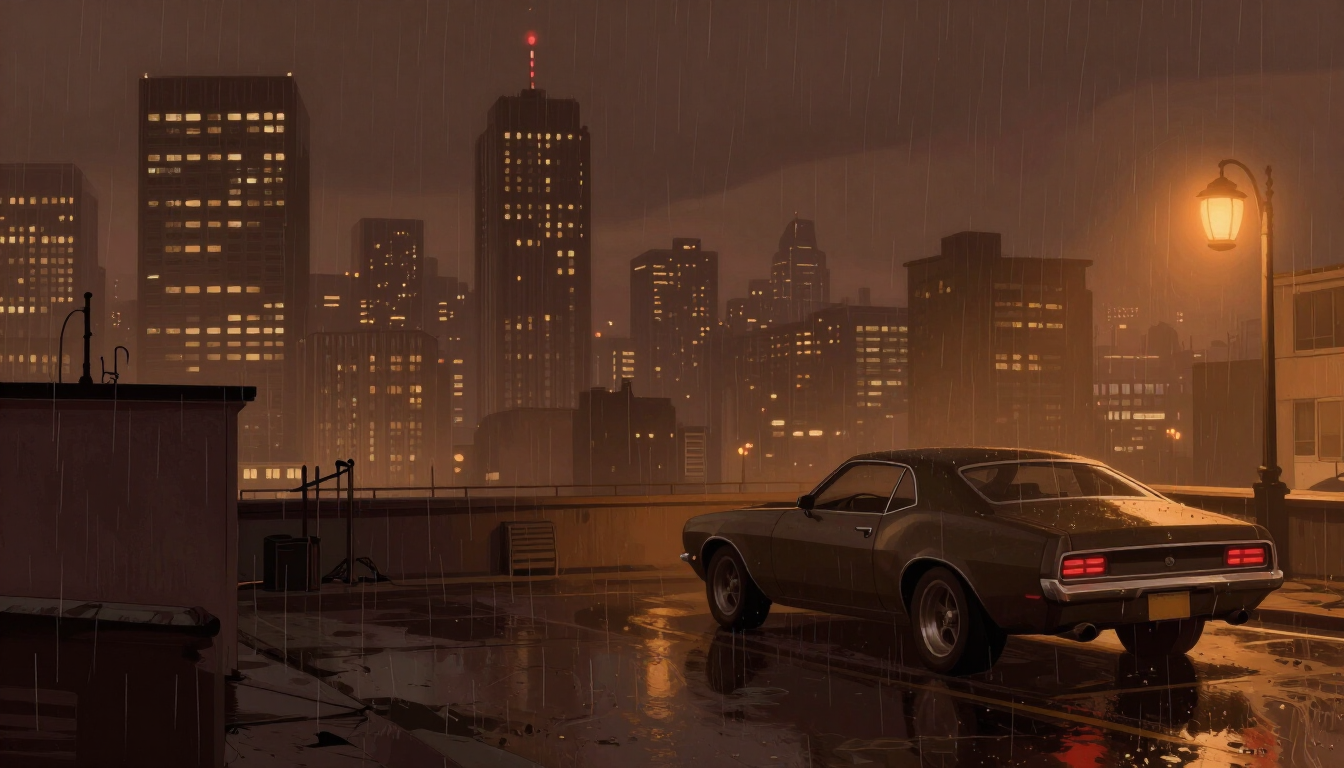
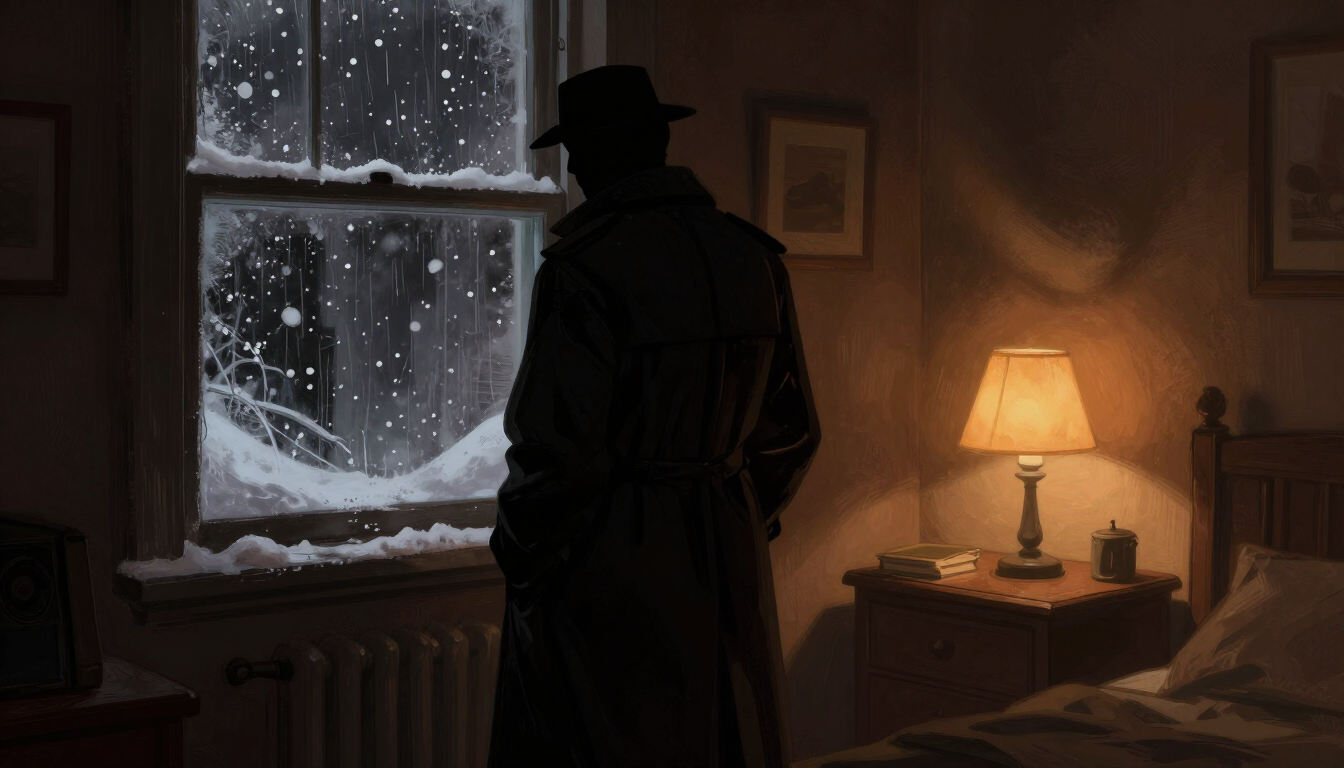
A noir detective, a murdered family, and the bullet that bends time.
Max Payne arrived in 2001 like a pulp novel come to life — a New York detective with a dead family, a vendetta, and a gun for every problem. Remedy’s breakthrough married film-noir narration to a graphic-novel panel presentation and, most importantly, invented bullet time: the slow-motion dive that let players dodge death and look impossibly cool doing it. Across three entries and two studios, the series evolved from a claustrophobic noir thriller into a sun-bleached, self-lacerating exile story, but it never lost its voice — that hardboiled inner monologue, equal parts grief and grim poetry, that made Max one of gaming’s most human heroes.
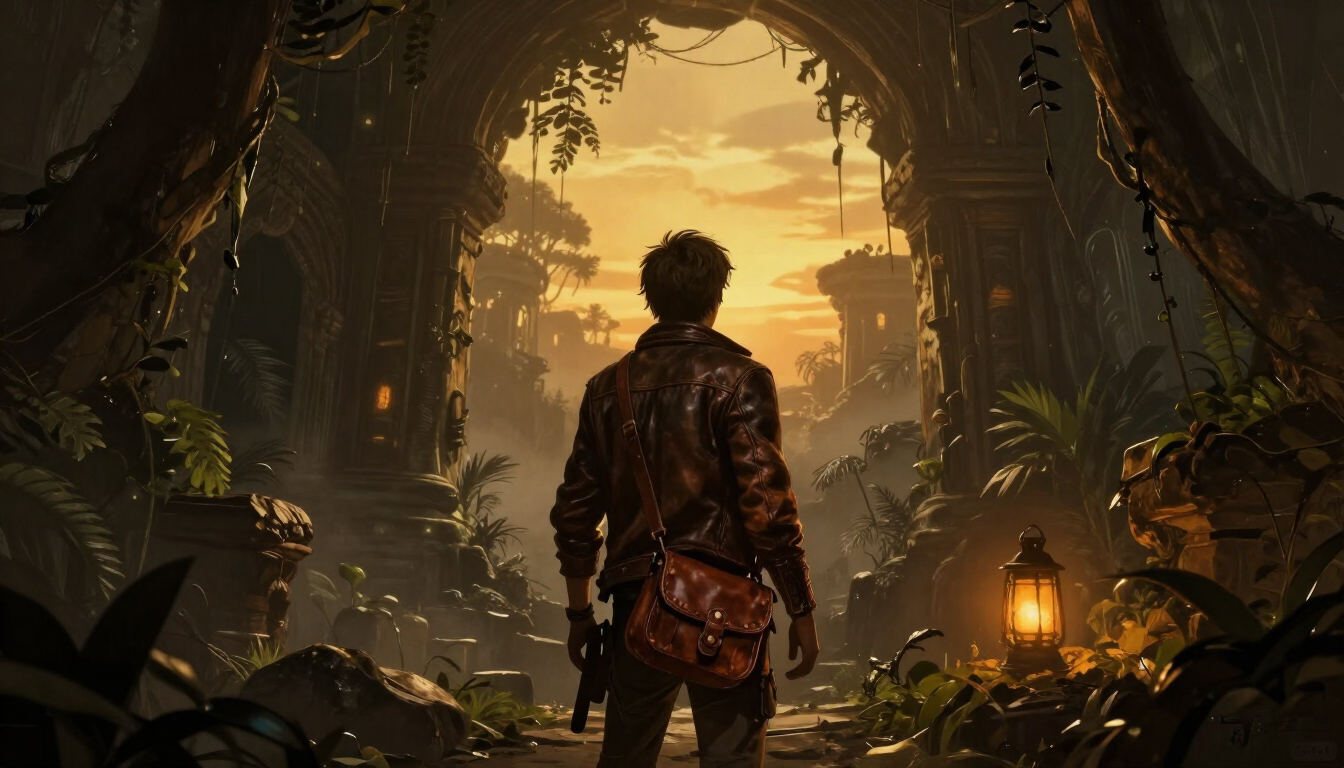
A charming thief, a lost city, and the blockbuster that taught games to swing.
Uncharted debuted in 2007 as Naughty Dog’s bid to make a playable summer movie — a wisecracking treasure hunter named Nathan Drake clambering through jungles and ruins in pursuit of lost cities. Across four main entries it perfected the cinematic action-adventure: set-piece pacing, motion-captured performances, and traversal that made climbing feel as thrilling as shooting. The series grew up alongside its hero, moving from pulp pastiche toward a genuine meditation on obsession and the cost of a life spent chasing legends, before closing the book on Drake and passing the torch to Chloe Frazer.
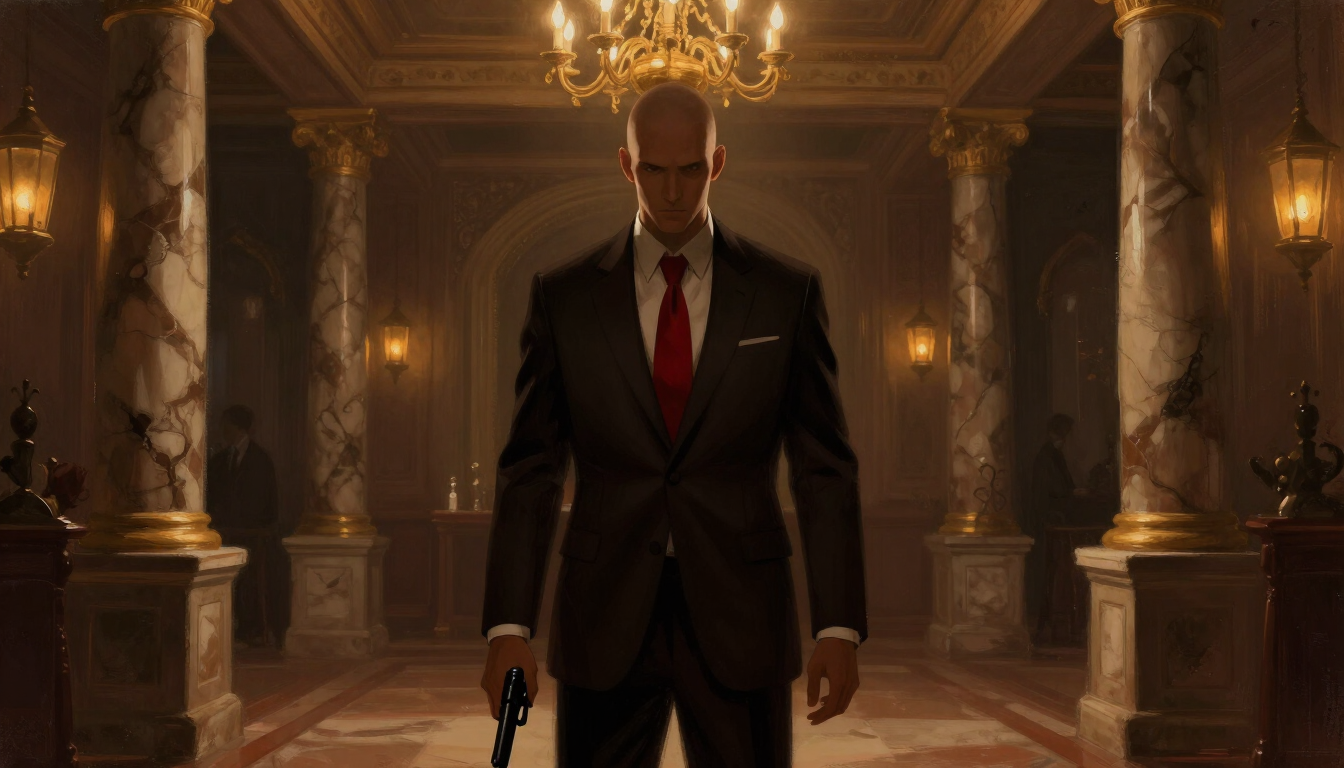
A barcode on the back of a bald head, and a sandbox full of ways to die.
Hitman turned assassination into a puzzle. Since 2000, Agent 47 — a barcode-tattooed, suit-clad clone — has walked into crowded locations and waited for the perfect accident. The series’ genius is its sandbox design: give the player a target, a living level full of disguises, routines, and opportunities, and let them improvise a kill. Across two decades and a difficult middle act, IO Interactive refined that loop into the World of Assassination — a single, ever-growing platform of dense, replayable levels that turned the bald assassin into one of the most respected names in stealth.
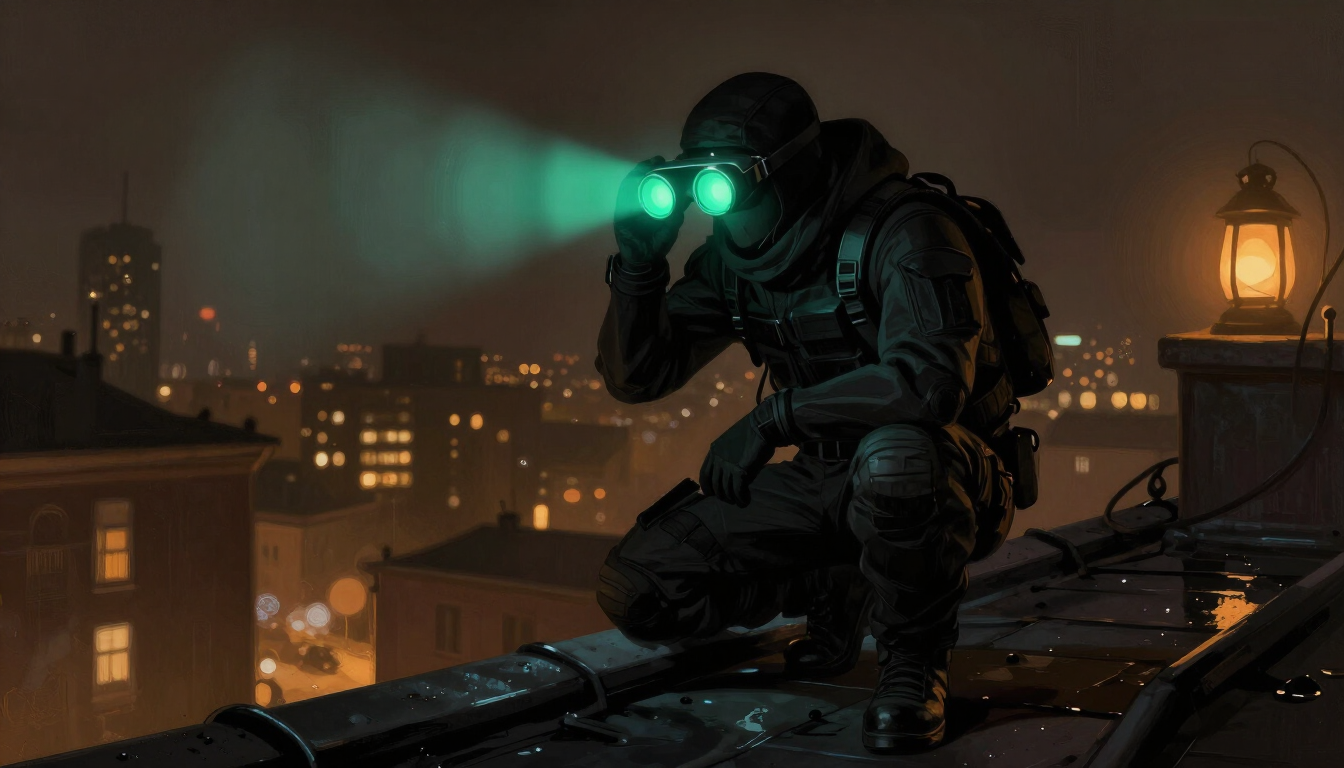
A third echelon, a pair of night-vision goggles, and the dark that became a weapon.
Splinter Cell arrived in 2002 as Ubisoft’s answer to Metal Gear — a grittier, more tactical take on stealth starring Sam Fisher, a grizzled NSA operative with tri-focal night-vision goggles and a license to disappear. Where Metal Gear was cinematic and strange, Splinter Cell was methodical and physical: shadows you clung to, lights you shot out, and guards you grabbed from the dark. Across six entries the series rode the wave of the early-2000s stealth boom, flirted with action, and then quietly went dormant — leaving behind a template for tension that the genre has never quite replaced.
 1986 — today