3 mainline entries2001 — today
Max Payne
A noir detective, a murdered family, and the bullet that bends time.
The story of the series
Max Payne arrived in 2001 like a pulp novel come to life — a New York detective with a dead family, a vendetta, and a gun for every problem. Remedy’s breakthrough married film-noir narration to a graphic-novel panel presentation and, most importantly, invented bullet time: the slow-motion dive that let players dodge death and look impossibly cool doing it. Across three entries and two studios, the series evolved from a claustrophobic noir thriller into a sun-bleached, self-lacerating exile story, but it never lost its voice — that hardboiled inner monologue, equal parts grief and grim poetry, that made Max one of gaming’s most human heroes.
Every release
The release timeline
From the first cartridge to the latest entry — every mainline game in the Max Payne series, in the order it reached players.
- 2001 · PC / PS2 / Xbox
Max Payne
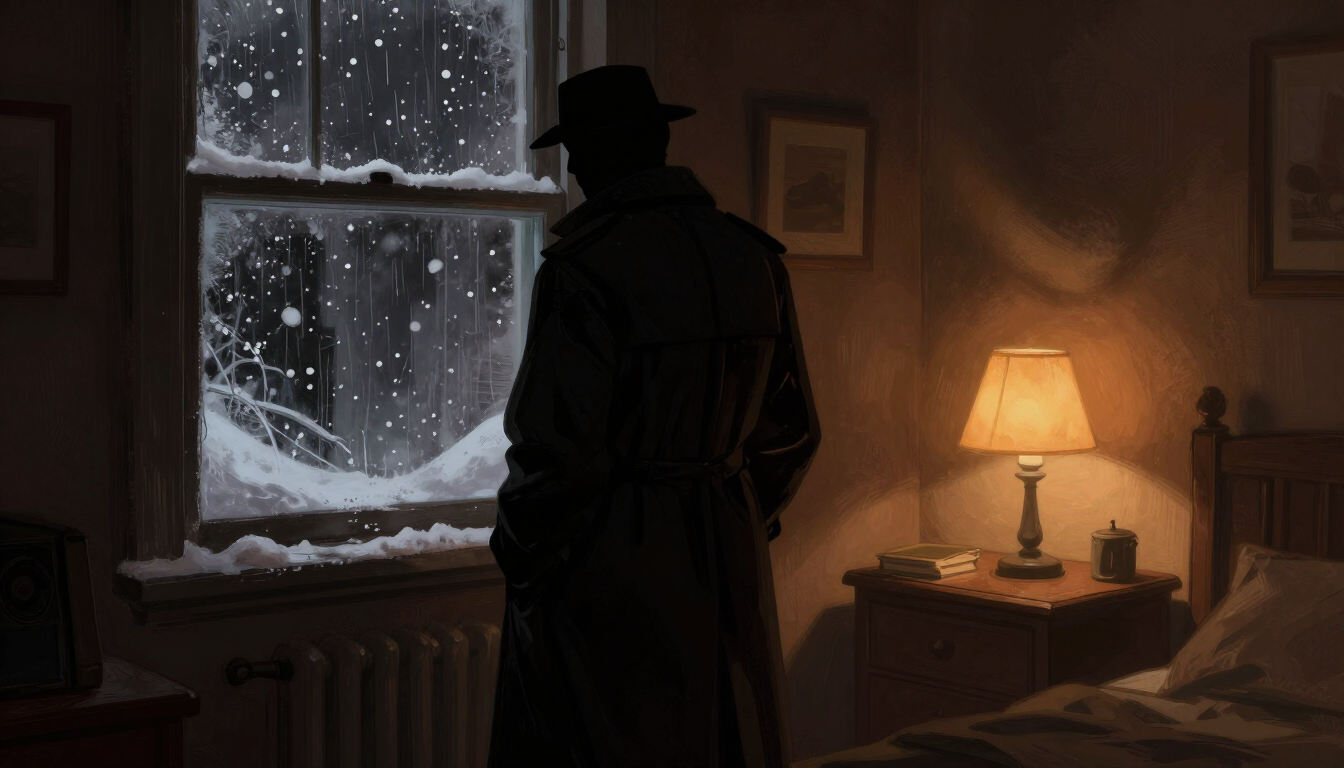
The original. A snowy New York, a Valkyr conspiracy, graphic-novel cutscenes, and bullet time — the slow-mo dive that changed action games forever.
- 2003 · PC / PS2 / Xbox
Max Payne 2: The Fall of Max Payne
A darker, more cinematic noir romance with Mona Sax. Refined shooting, ragdoll physics, and a story that leans hard into tragedy.
- 2012 · PS3 / 360 / PC
Max Payne 3
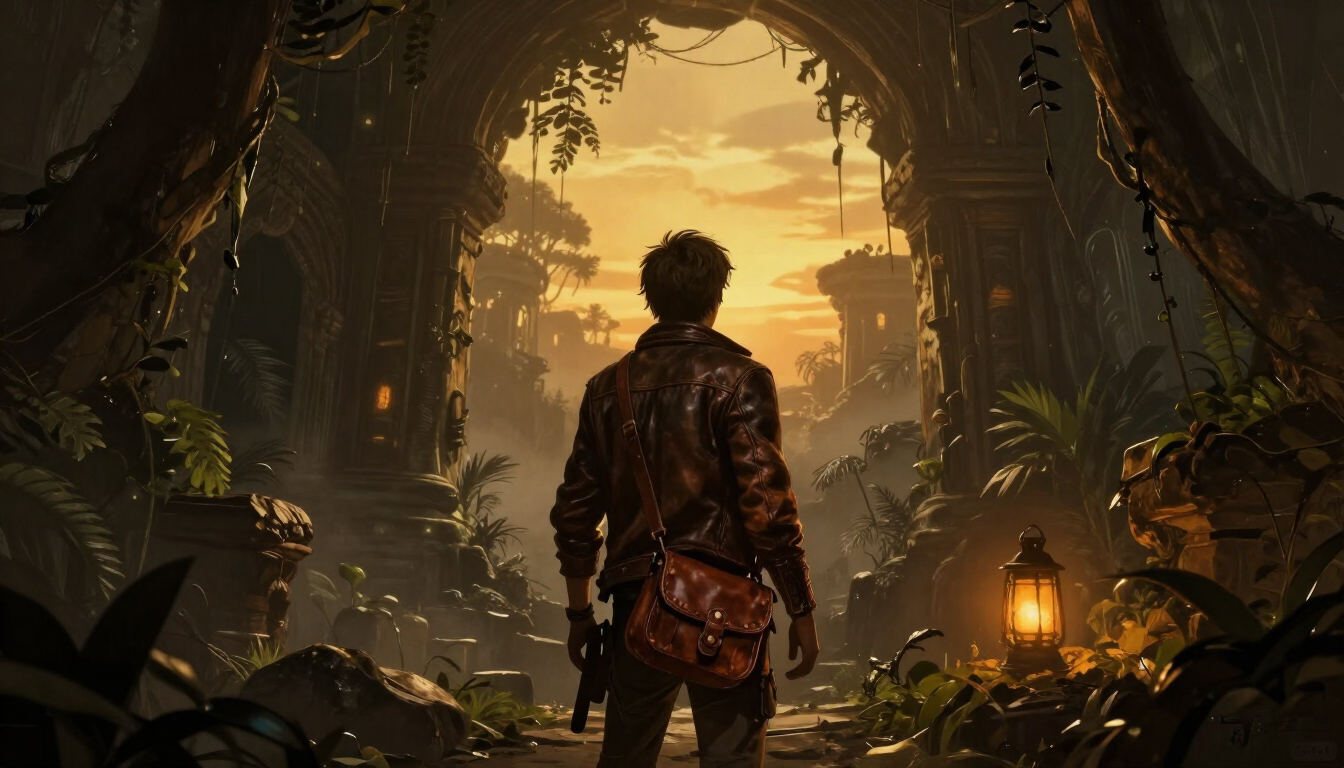
Rockstar takes the reins — Max, bald and broken, in São Paulo. Sun-bleached, violent, and still haunted by the same ghosts.
How it changed
What changed across releases
The Max Payne series never stood still. Here is how it reinvented itself, era by era.
The noir original (2001)
Remedy fused film-noir narration, graphic-novel panels, and the bullet-time mechanic into a wholly new action vocabulary — a detective story told in slow motion and snow.
The tragic refinement (2003)
Max Payne 2 sharpened the shooting and physics while doubling down on the doomed romance, proving the noir voice could carry a bigger, sadder story.
The Rockstar reinvention (2012)
Rockstar moved Max out of New York into a sun-soaked São Paulo, trading snow for sweat and noir for a brutal modern thriller — but kept the inner monologue and the grief intact.