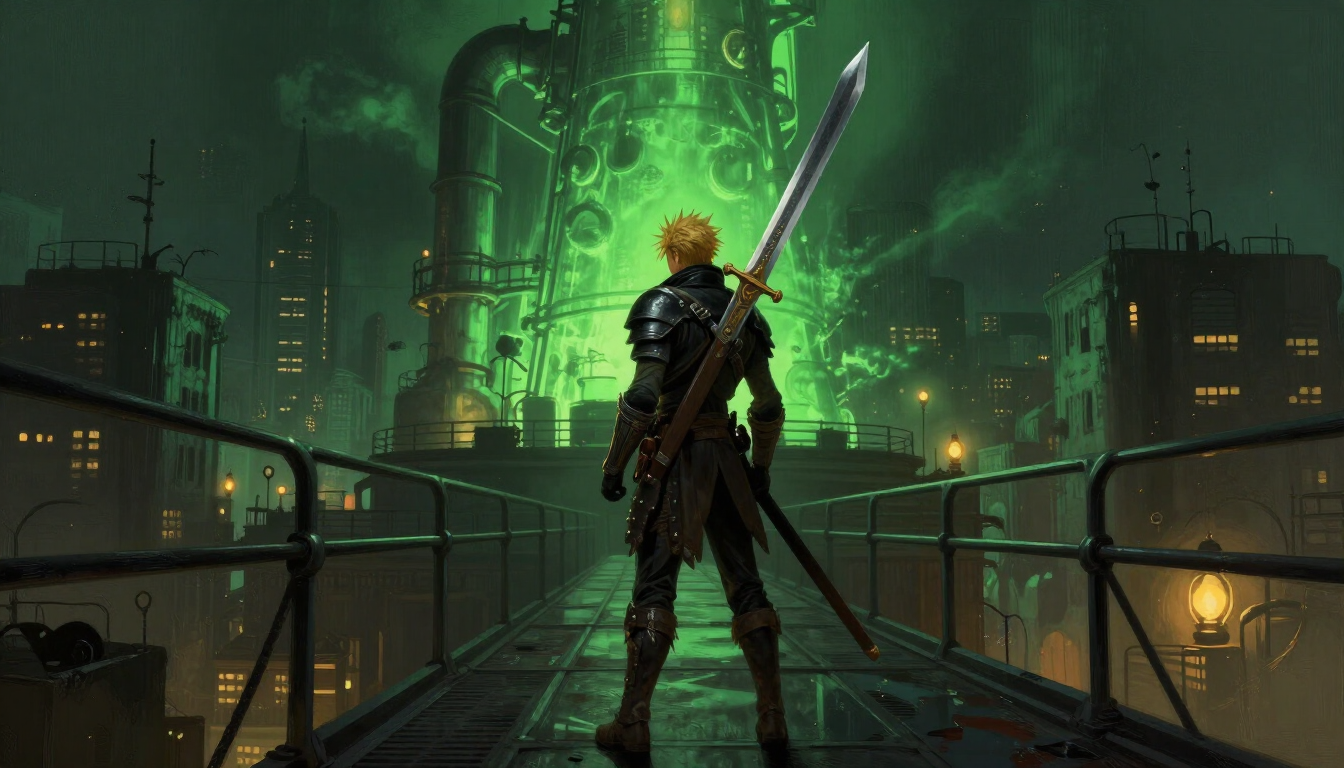
Final Fantasy VII1997 · 1990s
The Flower Girl, the Reactor, and the Night Gaming Grew Up
Cloud Strife's brooding journey through Midgar proved games could carry grief, grandeur, and a story the size of a novel.
The train pulls into Midgar and a mercenary with a sword too big for him hops off, and from that moment 1997 belongs to Final Fantasy VII. It was the entry that carried Japanese role-playing games to the whole world, on three CDs of pre-rendered wonder, with a story about identity, loss, and a planet crying out under the glow of mako reactors.
Its ambitions were cinematic before that word was a cliché: Nobuo Uematsu's score swelling over the city, a flower girl in a church of light, a death that players still refuse to accept decades later. For millions, it was the first game that made them cry — proof that a cartridge could hold grief as surely as any novel.
Yet for all its apocalypse, the coziest memories are the small ones: breeding chocobos at the ranch, snowboarding down the Icicle Inn slopes, the Golden Saucer's fireworks. FFVII taught the medium that a world worth saving must first be a world worth living in — and Midgar's neon hearth still draws wanderers home.
More from the 1990s
 1990s
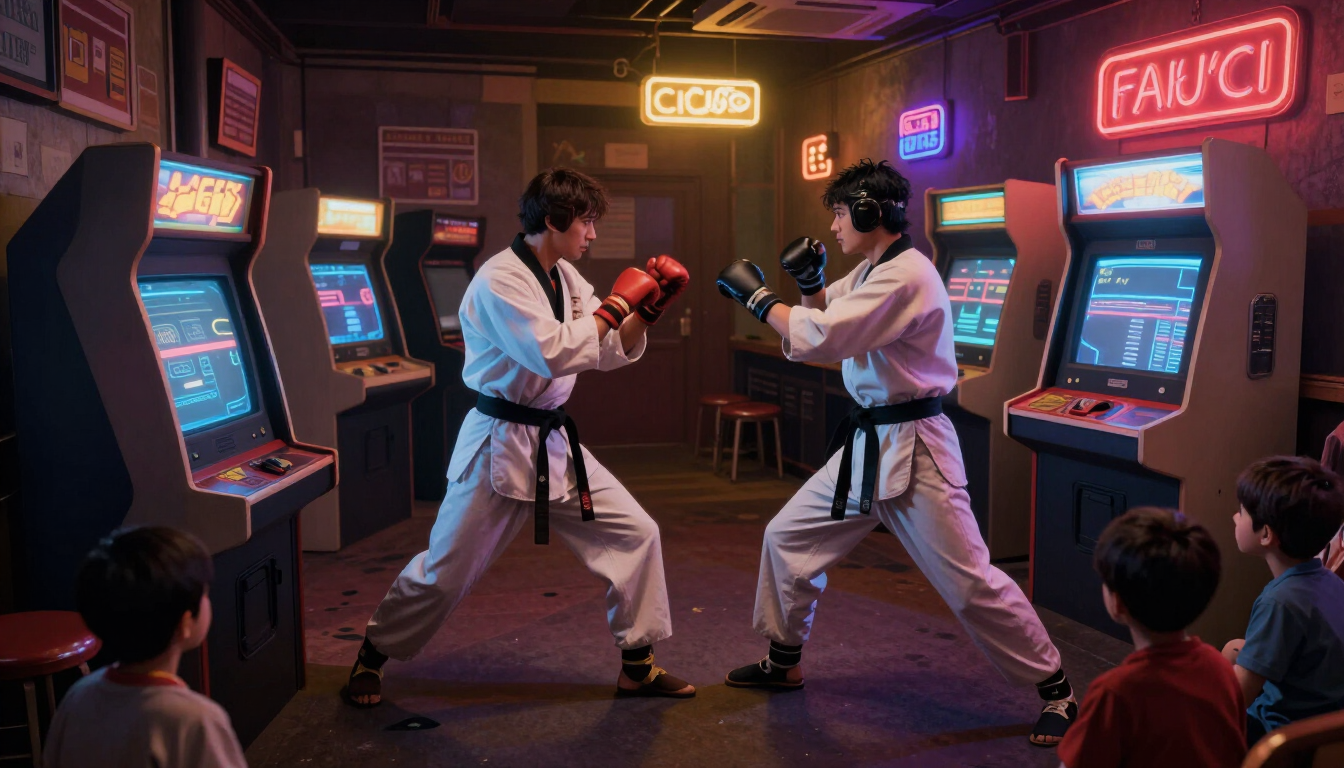
1990sStreet Fighter II · 1991
The Cabinet Where Rivalries Were Born
Eight world warriors, six buttons, and the arcade cabinet that turned strangers into rivals and rivals into friends.
 1990s
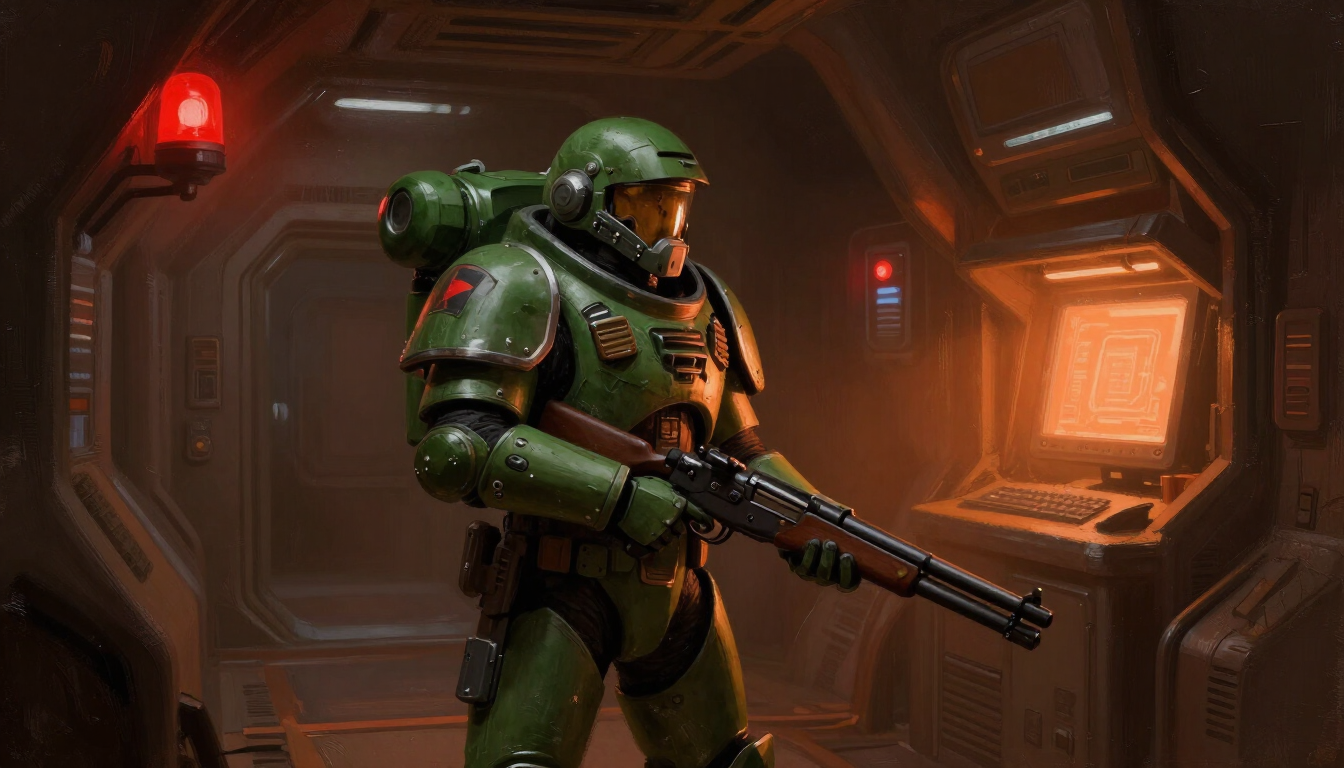
1990sDoom · 1993
A Shotgun, a Mars Corridor, and the Birth of the Mod
id Software's demon-infested shooter invented the modern FPS, spread by floppy disk, and handed players the keys to build their own hells.
 1990s
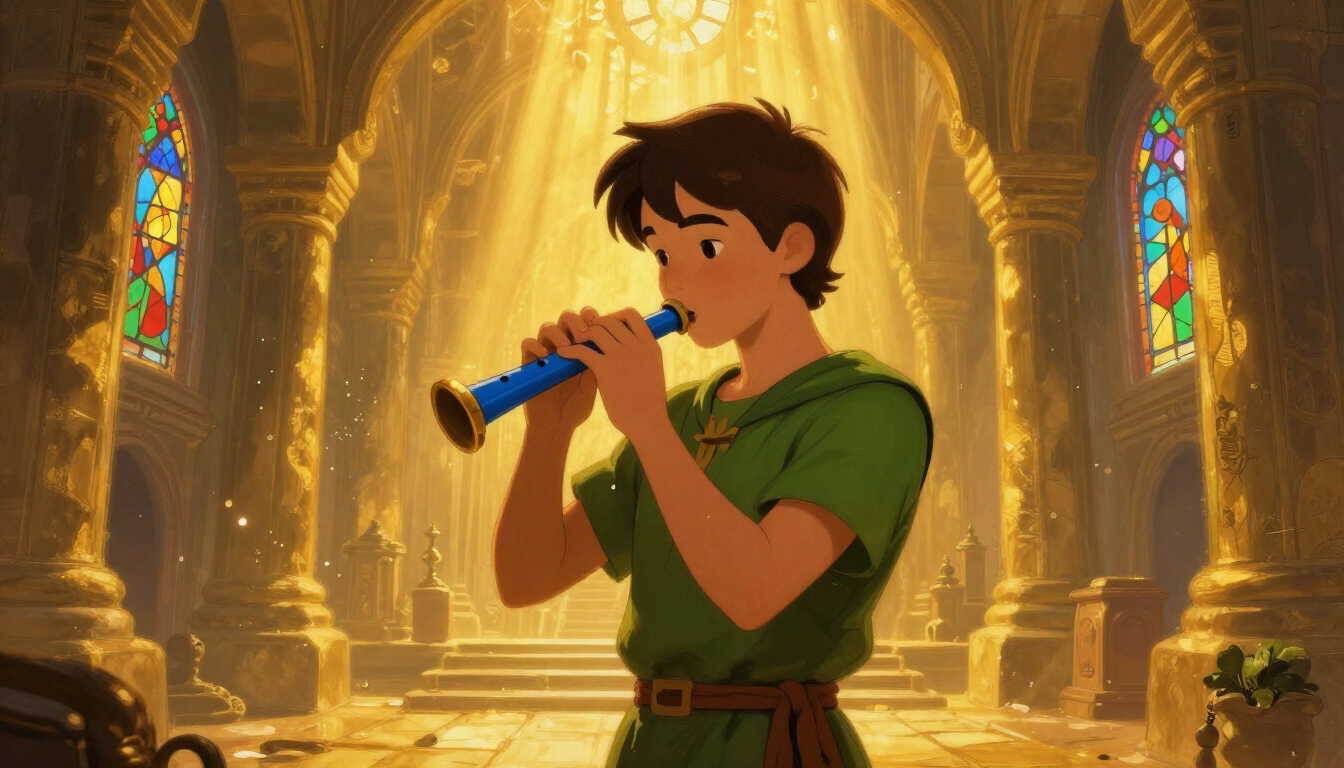
1990sThe Legend of Zelda: Ocarina of Time · 1998
The Song That Taught a Generation to Travel Through Time
Hyrule in 3D, a blue ocarina, and the lock-on that every action game since has quietly borrowed.