Grand Theft Auto III2001 · 2000s
The City That Never Forgave: Liberty City Opens Its Doors
Rockstar's 3D leap turned the open world into a living, breathing city — and the sandbox would never be the same again.
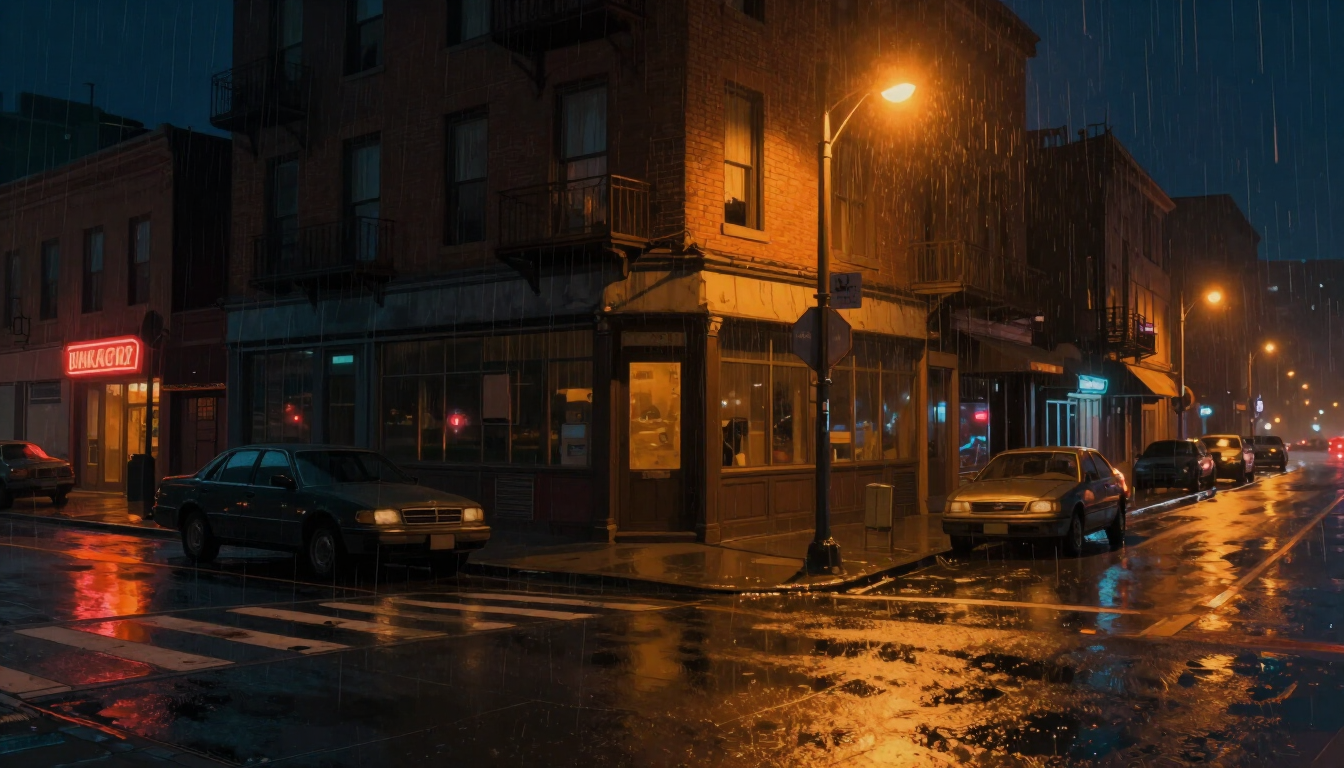
A nameless criminal escapes a prison van in the rain, and Liberty City opens beneath him like a wound. Grand Theft Auto III took the top-down mischief of its predecessors and stood it up in three dimensions, handing players a whole city — streets, traffic, pedestrians, a working radio dial — and the freedom to do with it what they pleased.
The year was 2001, and nothing quite like it existed on a console. You could follow the story missions, sure, but you could also simply drive. Tune to a talk station and listen to the city argue with itself; steal a cab and run fares; watch the sun set over a waterfront you had no reason to visit and every reason to. The sandbox was no longer a menu of activities. It was a place.
Rockstar's Liberty City was rough, cynical, and unmistakably alive. Its bridges locked and unlocked as you progressed, gating a metropolis that felt too large to have fit on a disc. The voice work, the cutscenes, the wanted-level sirens climbing as you crossed a borough — it all added up to the first open world that felt like a city you were trespassing in rather than a level you were clearing.
The controversy was loud and predictable, and it sold a great many copies. But beneath the headlines, GTA III quietly rewired what players expected from a game world. After Liberty City, linearity felt small. After Liberty City, a game that did not let you wander felt like a cage.
Every open-world city since — every skyline you stop to admire between missions — owes a debt to that rainy night in 2001. The graphics have aged, the jokes have curdled, but the feeling of turning a corner and finding a whole new neighborhood waiting, unmarked, unearned, just there for you: that is still the promise of the entire genre.
More from the 2000s
 2000s
2000sThe Sims · 2000
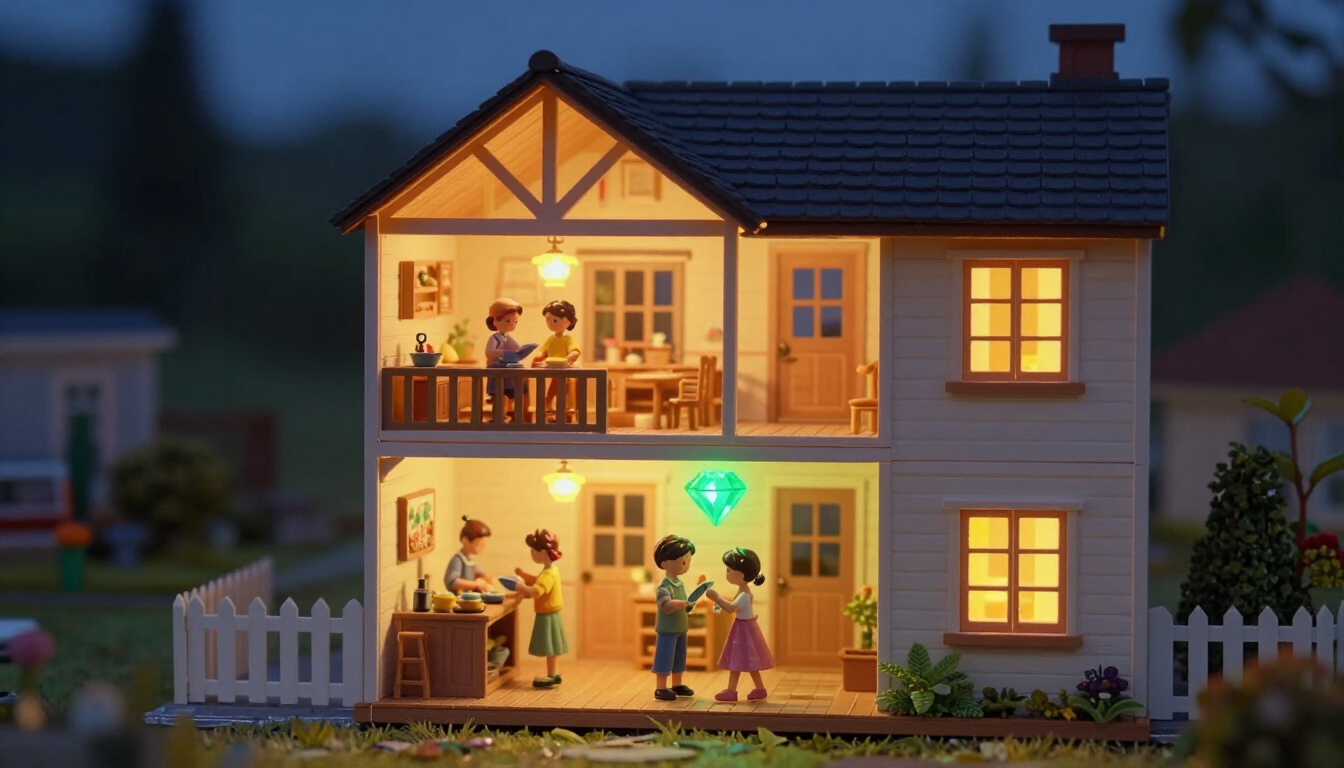
The Dollhouse That Watched Us Back
Will Wright turned everyday life into the best-selling PC game of its era — a warm, strange mirror held up to our own little routines.
 2000s
2000sHalo: Combat Evolved · 2001
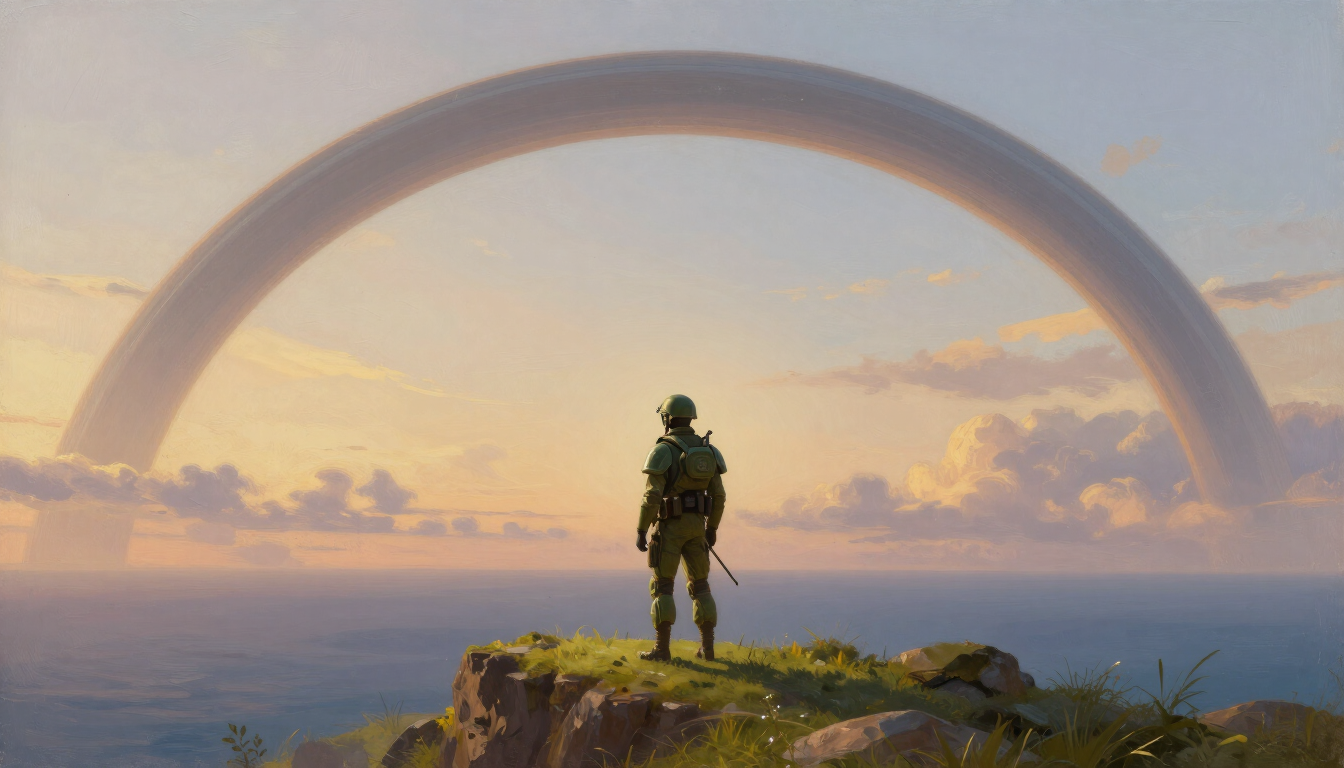
The Ring World and the Dawn of the Console Shooter
Master Chief's crash-landing on a mysterious ring made the Xbox a contender and the LAN party a way of life.
 2000s
2000sWorld of Warcraft · 2004
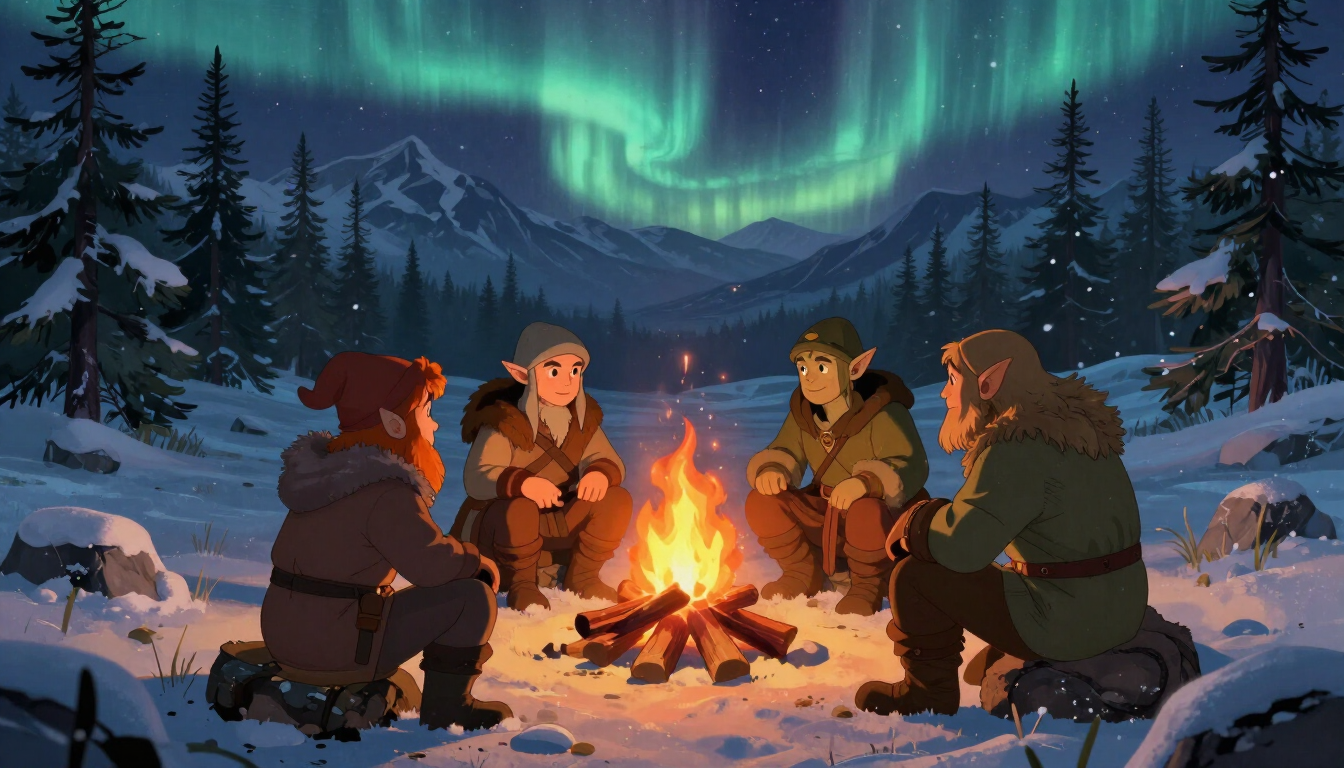
A Campfire in the Snow: The World We Moved Into
Azeroth was not a game so much as a second hometown — twelve million people with mailboxes, guilds, and favorite inns.