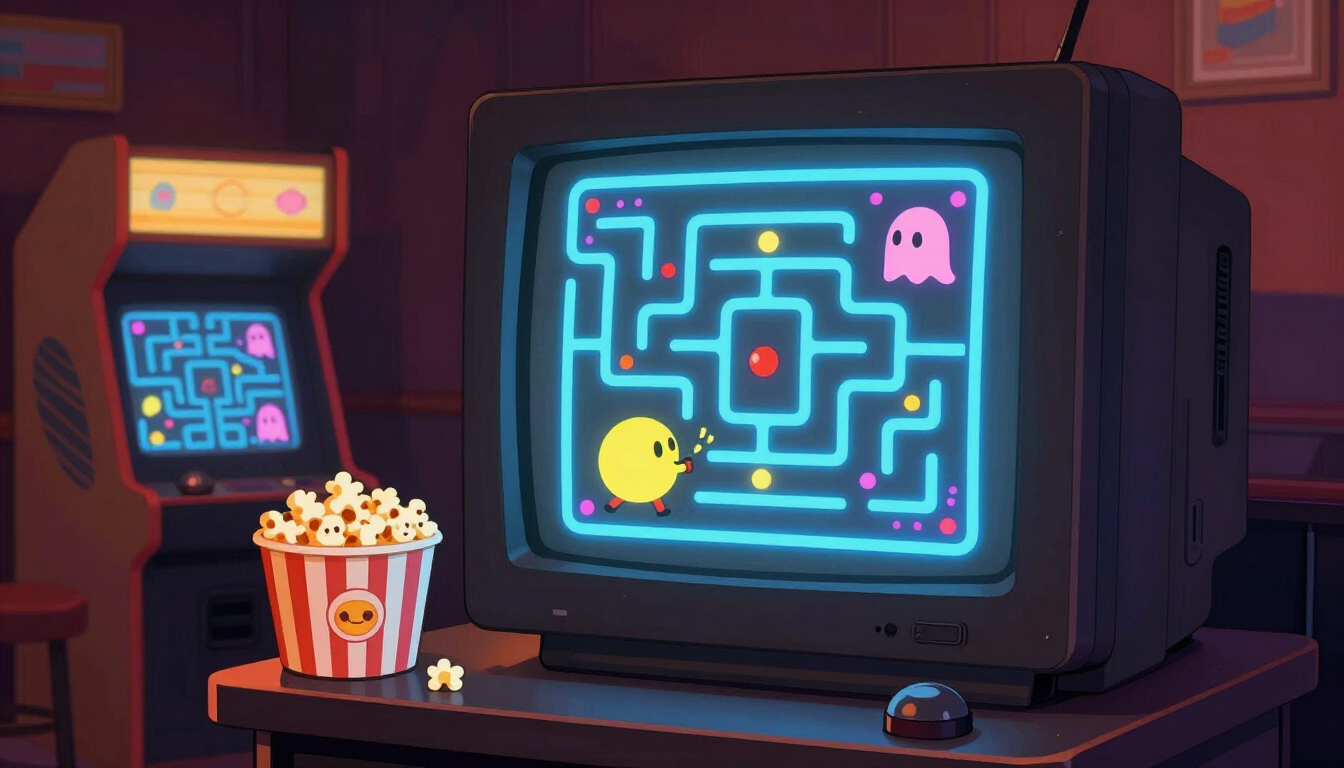
Pac-Man1980 · 1980s
Waka-Waka by Candlelight: The Maze That Fed the World
Toru Iwatani looked at a pizza missing a slice and built the first video game character the whole world loved.
The legend is too good not to retell: Toru Iwatani lifted a slice from a pizza and saw a face. Pac-Man was designed as an antidote to the arcade's diet of shooting and war — a game about eating, of all gentle things, built to welcome players who had never touched a joystick. The ghosts were given personalities, names, and colors like characters in a picture book.
It worked beyond anyone's imagining. Pac-Man became the best-selling arcade game of its era and the medium's first true mascot — a character you could put on a lunchbox, a cartoon, a hit song. The maze itself is a small masterpiece of rhythm: the waka-waka of the pellets, the held breath of the power pellet, the glorious reversal when the hunters become the hunted.
There is something deeply cozy about Pac-Man's loop, the way a familiar route through the maze becomes a kind of home. Clear the board, the fruit appears, the maze resets. It is the video game as comfort food — which is only fitting for a hero who is, himself, mostly mouth.
More from the 1980s
 1980s
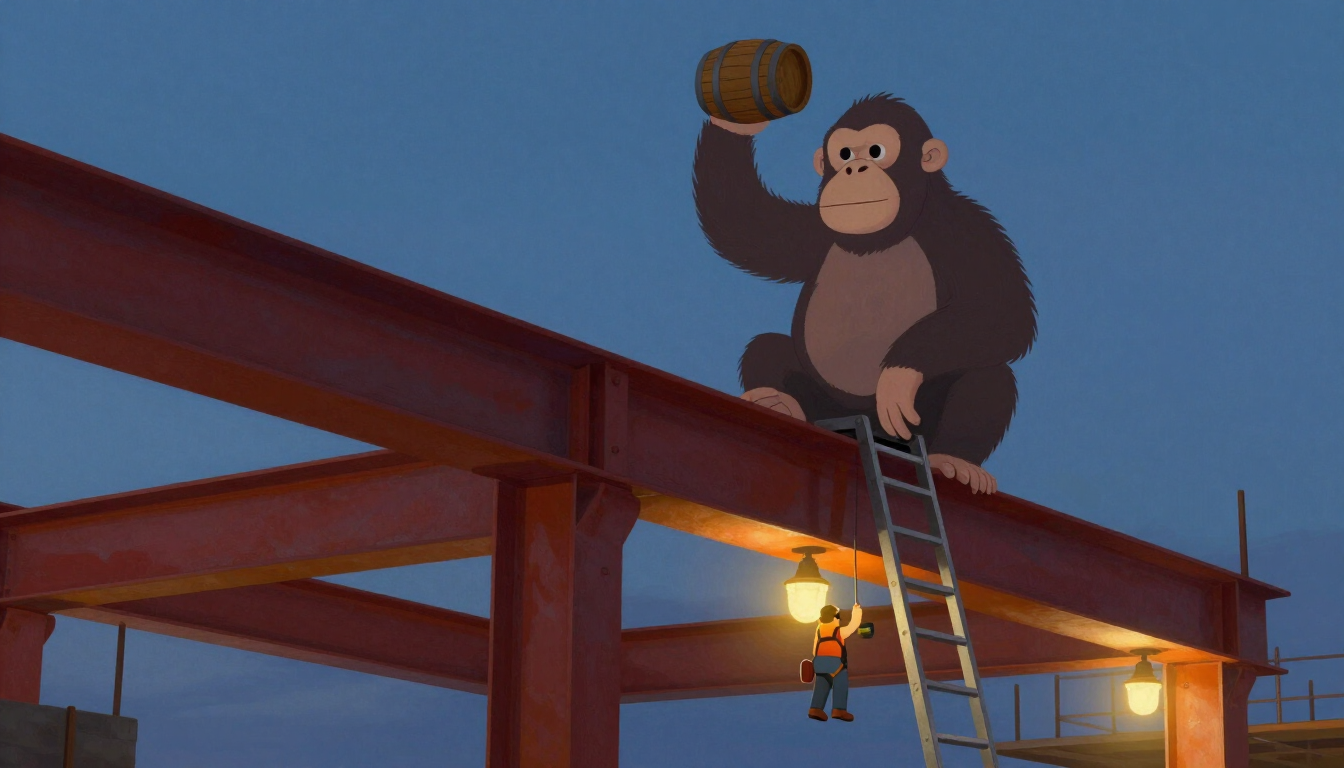
1980sDonkey Kong · 1981
The Ape, the Carpenter, and the Ladder to Everything
A stubborn ape, a carpenter named Jumpman, and the game that introduced Mario and made Nintendo a household name.
 1980s
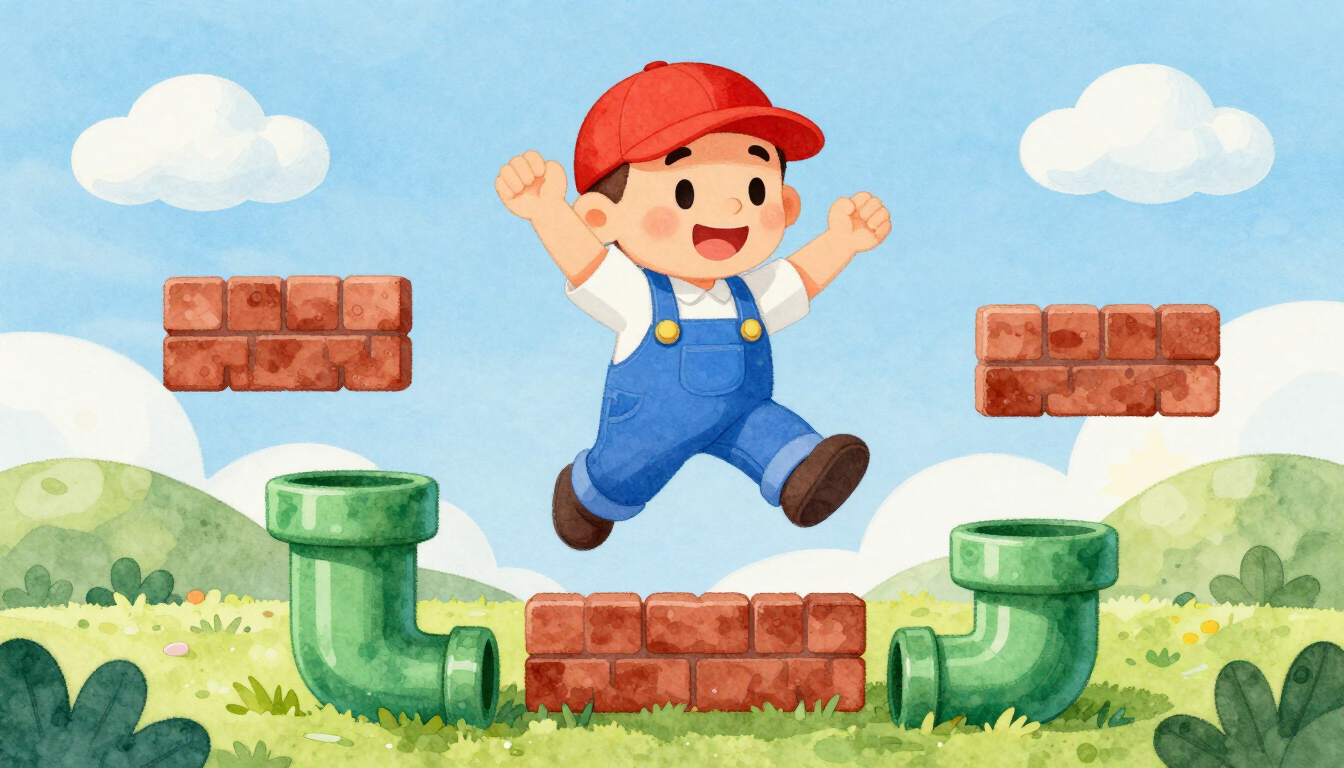
1980sSuper Mario Bros. · 1985
World 1-1: The First Steps of a Million Journeys
The first screen of Super Mario Bros. is the most carefully taught lesson in game design — and the doorway to the modern industry.
 1980s
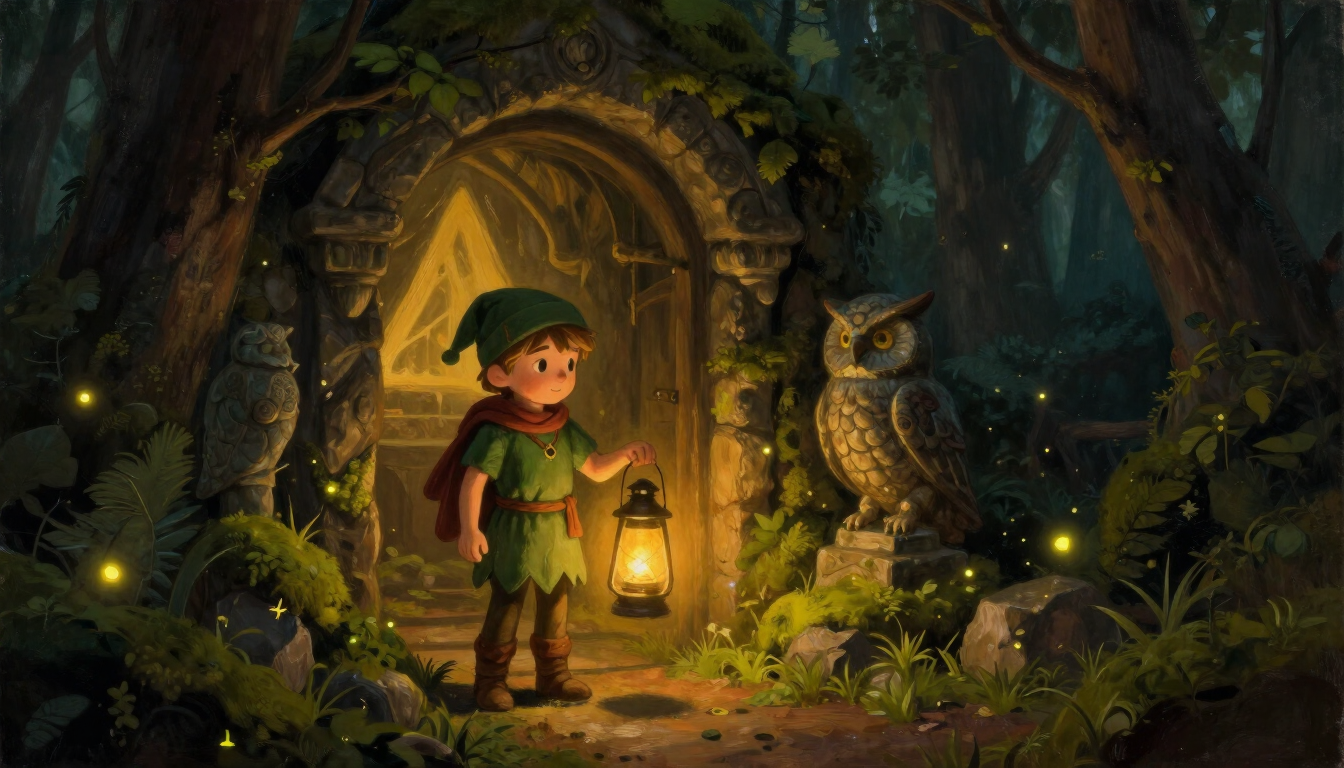
1980sThe Legend of Zelda · 1986
It's Dangerous to Go Alone: The Lantern Lit in 1986
An old man in a cave hands you a sword, and suddenly the whole wide map of Hyrule is yours to get lost in.