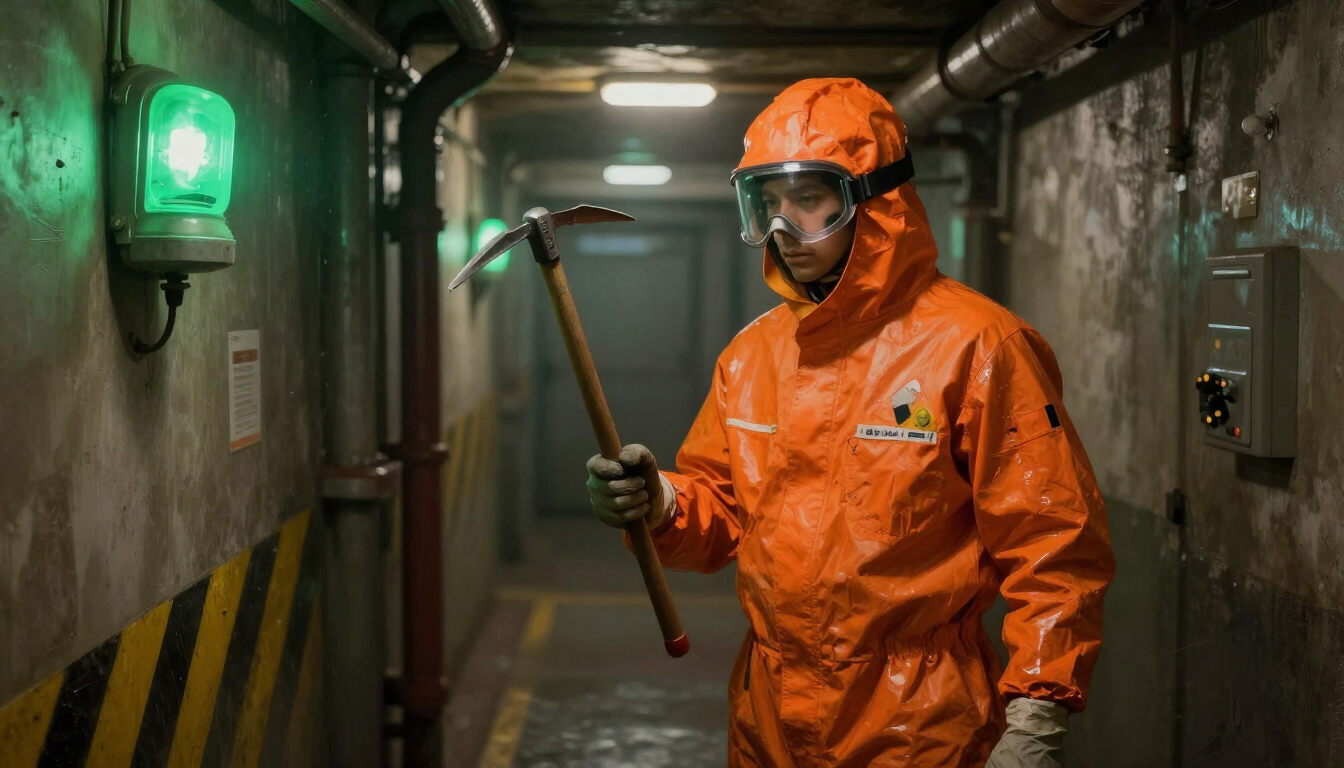
Half-Life1998 · 1990s
The Scientist, the Crowbar, and the Story Told Without a Word
Valve's debut never took the camera away from Gordon Freeman — and in doing so rewrote how games tell stories.
A tram ride. That is how Half-Life begins — no cutscene, no exposition, just a monorail crawling through the Black Mesa Research Facility while the credits drift past and a scientist's ordinary morning curdles into catastrophe. Valve's 1998 debut told its entire story through the eyes of Gordon Freeman, and the camera never once looked away.
The choice rewrote the grammar of action games. Scripted sequences unfolded around you in real time; soldiers flanked, aliens hunted by scent, and the facility itself became the narrator. Add a crowbar that became an icon and an AI that felt genuinely cunning, and the shooter grew a brain to match its trigger finger.
Half-Life also built one of gaming's great hearths for creators: its modding scene produced Counter-Strike, Team Fortress, and eventually entire studios. The orange lambda still glows like a porch light for a certain kind of player — the one who believes a story is best told by walking through it, crowbar in hand.
More from the 1990s
 1990s
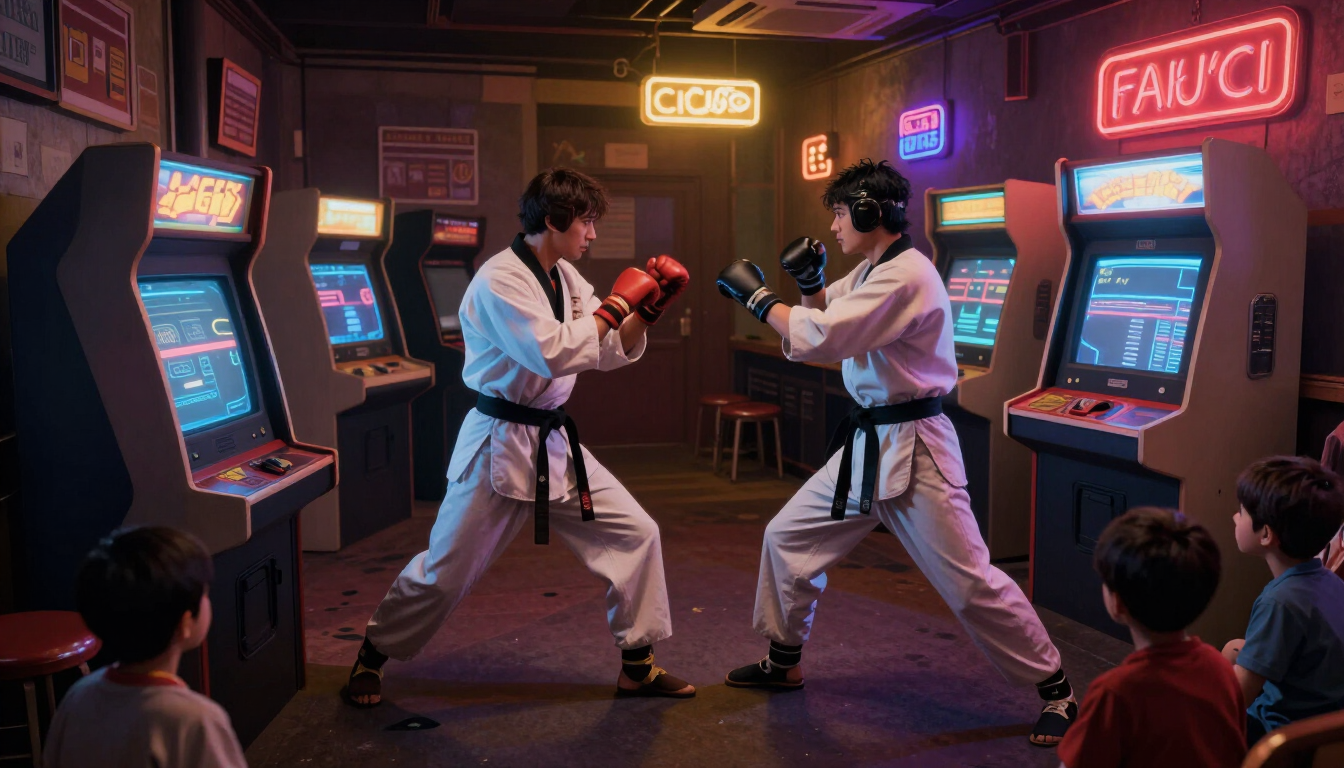
1990sStreet Fighter II · 1991
The Cabinet Where Rivalries Were Born
Eight world warriors, six buttons, and the arcade cabinet that turned strangers into rivals and rivals into friends.
 1990s
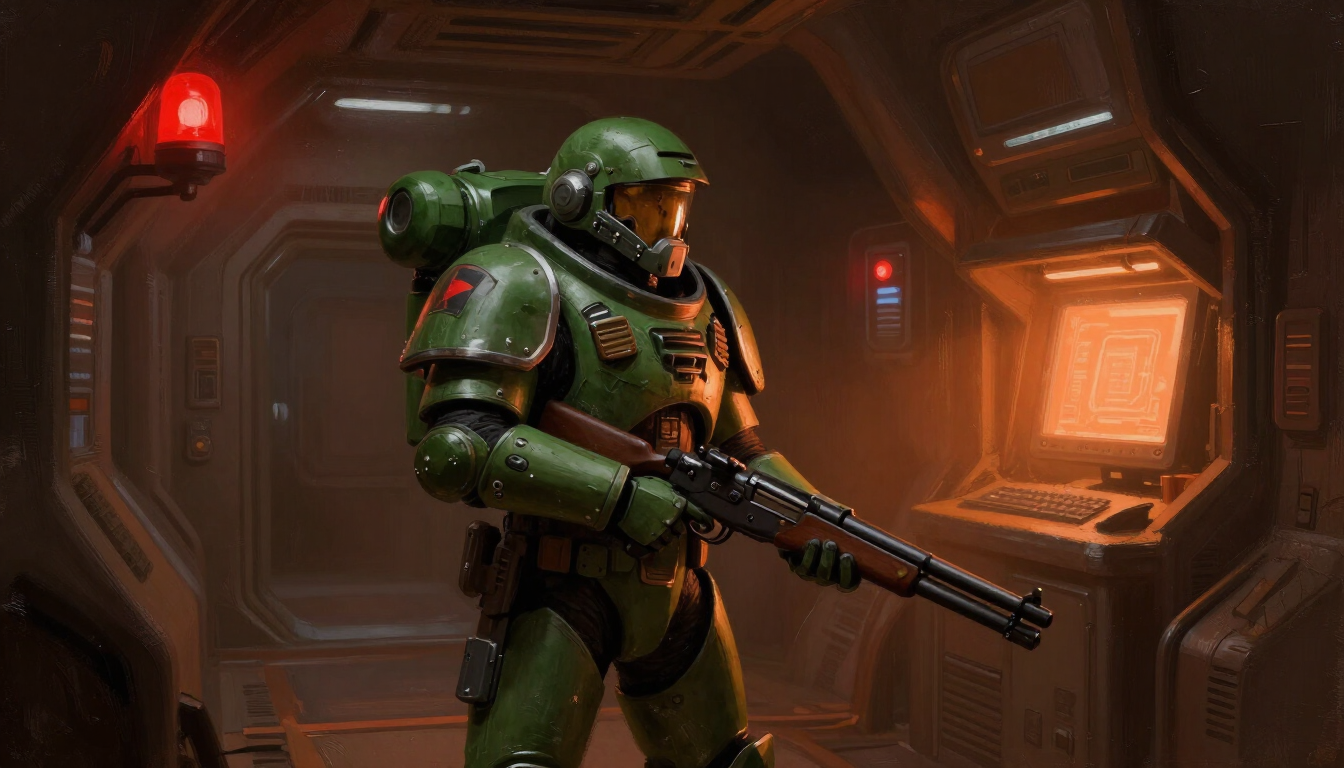
1990sDoom · 1993
A Shotgun, a Mars Corridor, and the Birth of the Mod
id Software's demon-infested shooter invented the modern FPS, spread by floppy disk, and handed players the keys to build their own hells.
 1990s
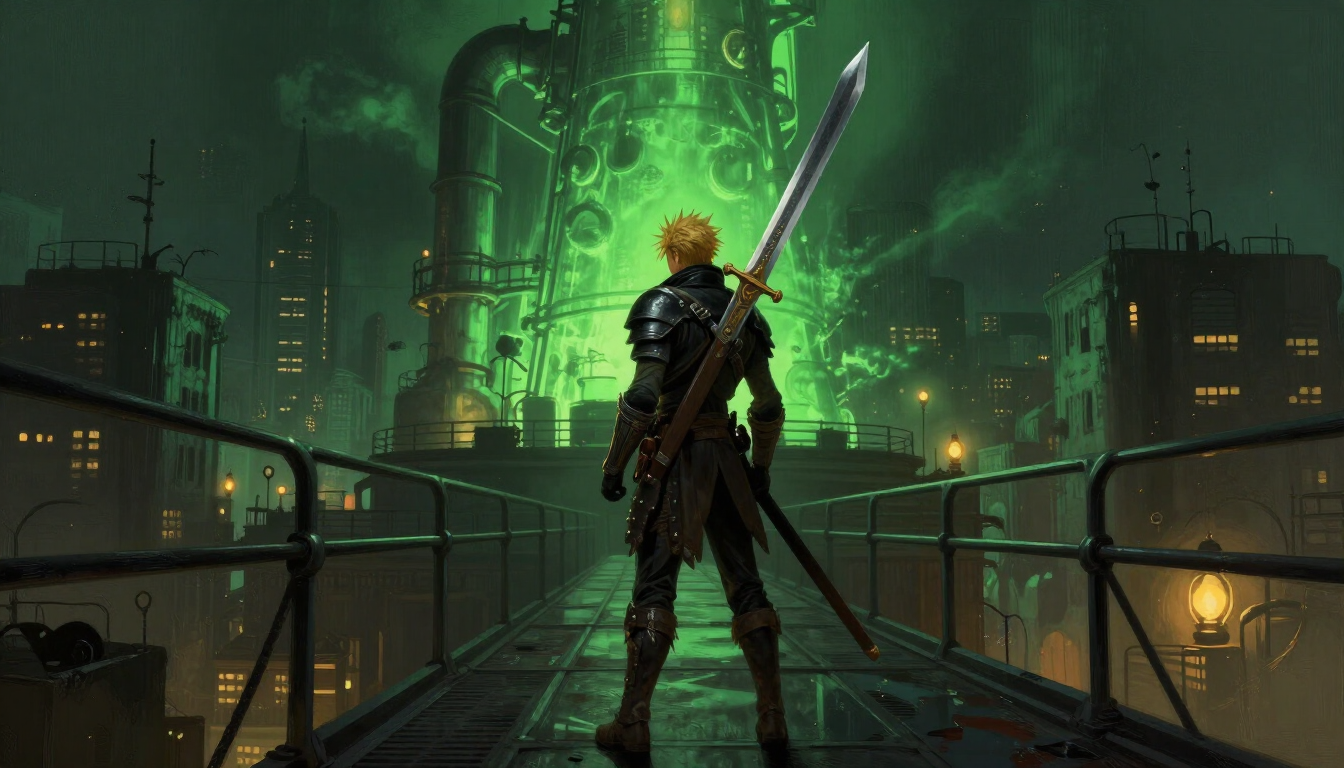
1990sFinal Fantasy VII · 1997
The Flower Girl, the Reactor, and the Night Gaming Grew Up
Cloud Strife's brooding journey through Midgar proved games could carry grief, grandeur, and a story the size of a novel.