Red Dead Redemption 22018 · 2010s
The Last Campfire: A Vanishing West Rendered in Embers
Arthur Morgan's slow, beautiful decline proved games could hold tragedy as gently as any novel.
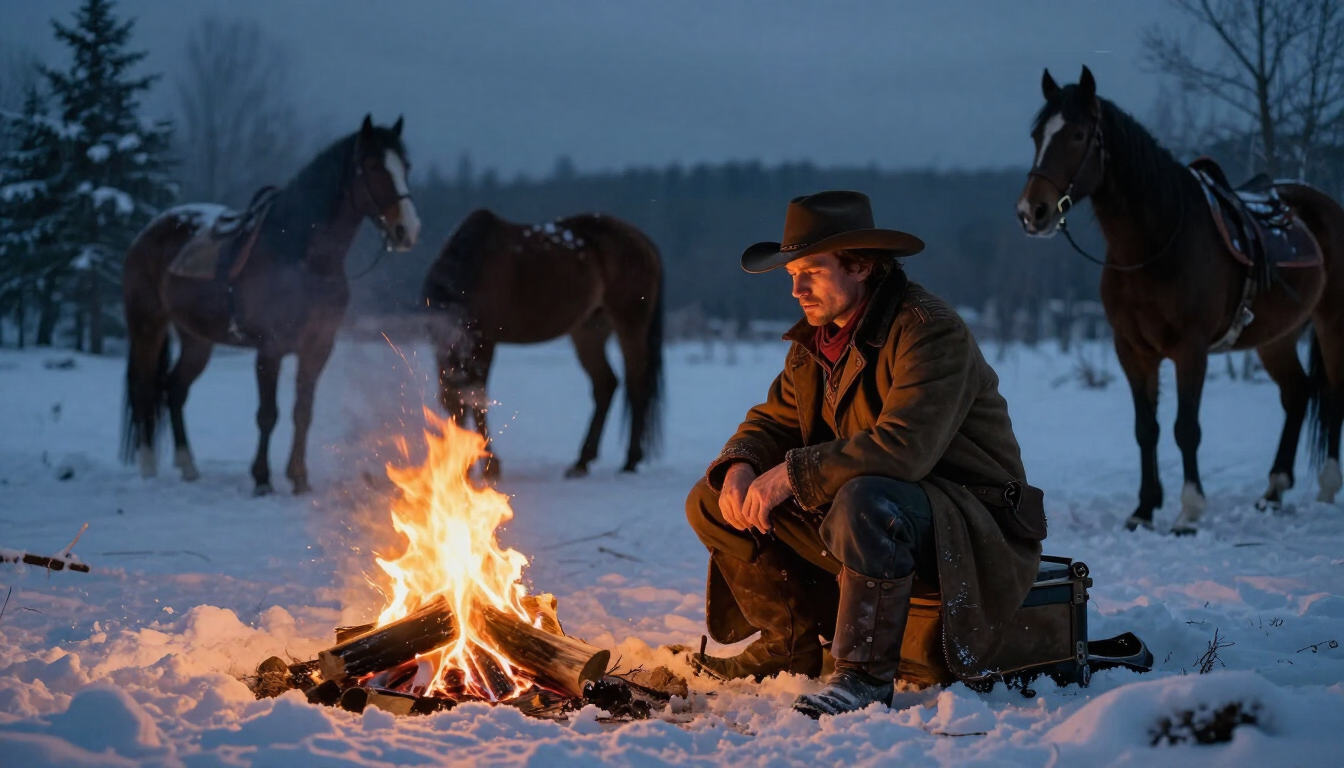
A gang rides through a blizzard in 1899, hauling a wounded man on a horse, and the snow lands on their coats one flake at a time. Red Dead Redemption 2 opens not with a gunshot but with a journey, and from its first frozen frame it is clear that Rockstar has built something quieter, sadder, and more intimate than anything in its catalog.
Arthur Morgan is the heart of it — a loyal enforcer for a dying gang, watching the West he was raised in close around him. His story is a long, deliberate unwinding: camps that move from the mountains to the plains to the swamps, friendships that fray, a code that no longer fits the century arriving on the rails. It is a game about the moment a way of life becomes a memory.
The campfire is where the warmth lives. Evenings spent riding back to camp, greeting the people there, eating stew by the fire while someone plays a banjo — these are the scenes players carry with them long after the shootouts fade. Rockstar made the routine tender: brushing your horse, shaving in a mirror, coffee at dawn. The mundane became the emotional architecture of the whole world.
And the world is staggering. The lighting alone — a dawn breaking over a river, lanterns swaying in a bayou storm — earned a place in the conversation about whether games can be art. Every town, every homestead, every stranger on the trail is placed with the care of a diorama. You do not visit this West. You winter in it.
Red Dead Redemption 2 is a tragedy, and it knows it. Arthur's decline is rendered with a gentleness that games rarely attempt, and the ending — however you earn it — lands like the last page of a novel you wish were longer. It is the coziest heartbreak in the medium: a campfire going out, slowly, beautifully, in a West that was already gone.
More from the 2010s
 2010s
2010sMinecraft · 2011
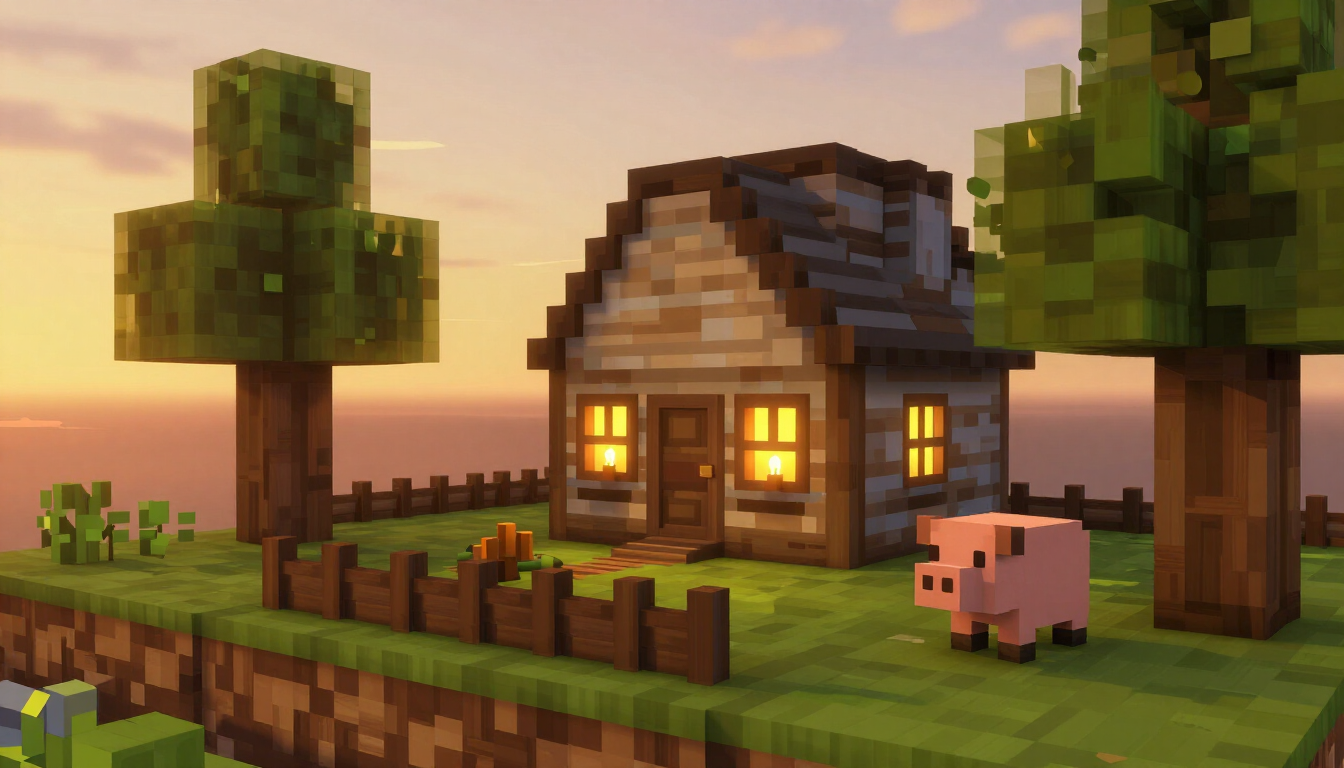
The First Night: Punching Trees by Torchlight
The best-selling game of all time is a lesson in coziness: build a shelter before dark, and the world is yours.
 2010s
2010sThe Elder Scrolls V: Skyrim · 2011
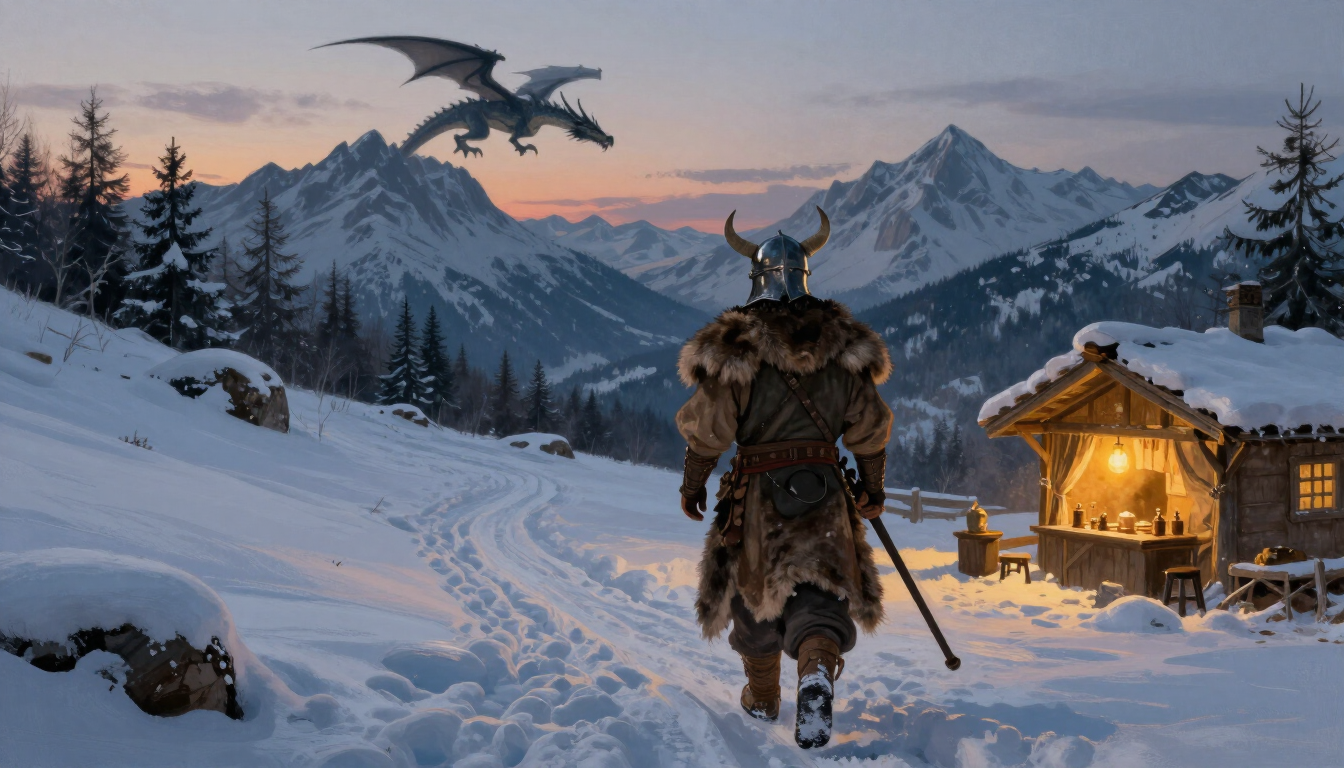
The Dragon, the Mountain, and the Tavern at the Bottom
See that mountain? You can climb it. Fourteen years later, we still are.
 2010s
2010sDark Souls · 2011
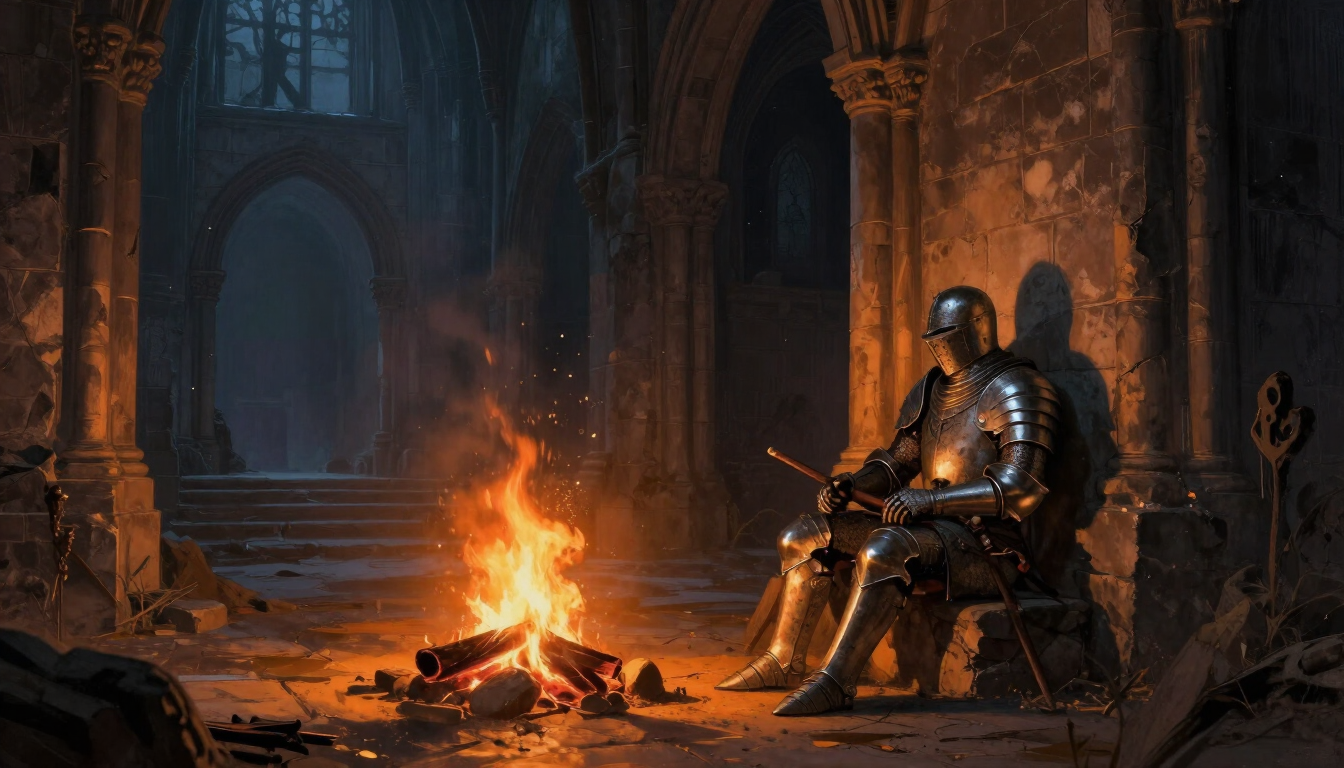
The Bonfire in the Dark: Where Death Became a Teacher
FromSoftware's punishing masterpiece lit a bonfire in the dark and taught a generation that failure, too, can be a kind of warmth.